

5 Ways to Reduce Plastic Packaging | Castle Industrial
Skip to content

Back to blog

5 WAYS TO REDUCE PLASTIC PACKAGING

Ellie's headshot

Written by

ELLIE CHALMERS

Load Stability

Table of Contents

Estimated read time: 24 mins

HOW TO REDUCE PLASTIC PACKAGING

If your business is wondering how to reduce plastic packaging, you’re not alone.

 Between the Plastic Packaging Tax (PPT), Packaging and Packaging Waste Regulation (PPWR), Extended Producer Responsibility (EPR), and mounting pressure to hit internal sustainability targets, plastic reduction in many operations has moved from ‘nice-to-have’ to non-negotiable.

The challenge is that packaging isn’t one simple product. It spans everything from the material around a single product, to the pallet wrap holding a full load stable in transit. And each layer needs a different approach.

In this guide, we’re taking a look at where plastic reduction opportunities genuinely exist, and where they need to be weighed carefully against performance.

WHY REDUCE PLASTIC PACKAGING?

Lower Your Plastic Tax Obligations

The UK’s Plastic Packaging Tax (PPT) currently charges £228.82 per tonne on packaging components containing less than 30% recycled content. For businesses handling significant volumes, that adds up quickly, and it’s one of the more straightforward financial cases for reviewing your packaging materials.

Alongside PPT sits EPR, which shifts the cost of household packaging waste disposal onto the businesses that put the packaging on the market in the first place. The principle is simple: the more you put out, the more you pay. 

Between the two, there’s a clear financial incentive to look closely at the plastic you’re using and why.

Meet Sustainability Goals

Most brand owners have sustainability policies which includes plastic reduction commitments, whether that’s driven by frameworks like the Ellen MacArthur Foundation or by their own corporate targets. 

It’s worth noting that data from major brand owners suggests around 80 to 90% of plastic use sits in primary packaging (the packaging closest to the product itself). Secondary and tertiary packaging, including pallet wrap, tends to get far less attention despite being a meaningful part of the overall picture. Reviewing it is an opportunity to close that gap.

As with any sustainability initiative, the framing matters. Reducing plastic packaging usage can help identify opportunities to lower material consumption, but the outcome always depends on your specific operation, load type, and machinery. That’s why we always treat plastic reduction as something to test and validate rather than assume.

Use It as an Opportunity to Review Your Pallet Wrapping Process

Pallet wrap has one core job: keeping your loads stable from the point they’re wrapped to the point they’re unloaded. Every pallet experiences thousands of destabilising events in transit, from braking and cornering to road vibration. It’s therefore imperative that business don’t simply cut down on pallet wrap without considering what role it’s playing to the pallet’s load stability. 

That’s actually a reason to get into the detail, not avoid it. A proper review of your wrapping process, rather than a blanket instruction to “use less film,” is far more likely to deliver a reduction that actually holds up in transit.

5 WAYS TO REDUCE PLASTIC PACKAGING

1. Audit Your Current Setup

Before making any changes, it’s worth reviewing all the packaging involved in getting your products to their destination. That doesn’t just mean the primary packaging around the product, but the secondary and tertiary packaging that gets products through the supply chain too:

  • Primary packaging is the packaging closest to the product itself (such as a bottle or wrapper).
  • Secondary packaging groups multiple units together (a carton or case).
  • Tertiary packaging protects and stabilises goods for transport (like pallet wrap and strapping).

This is the single best way to identify where genuine reduction opportunities exist versus where current packaging is doing essential, non-negotiable work.

A packaging audit gives you a clear, data-backed view of where material is being used well and where there’s room to review the specification.

2. Review Your Pallet Wrapping Technique

Before switching materials, it’s worth establishing how well your current wrapping process is actually performing.

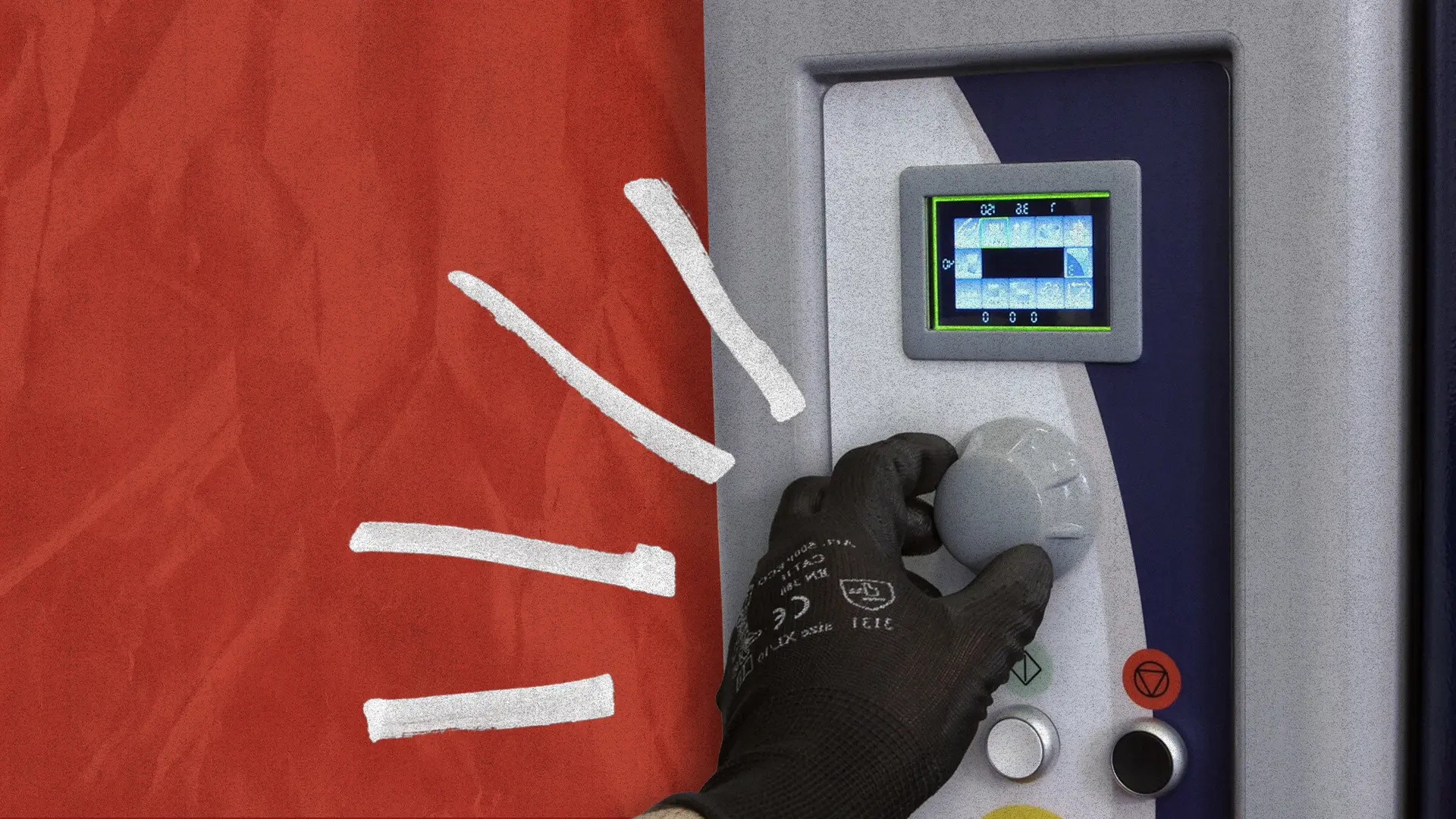
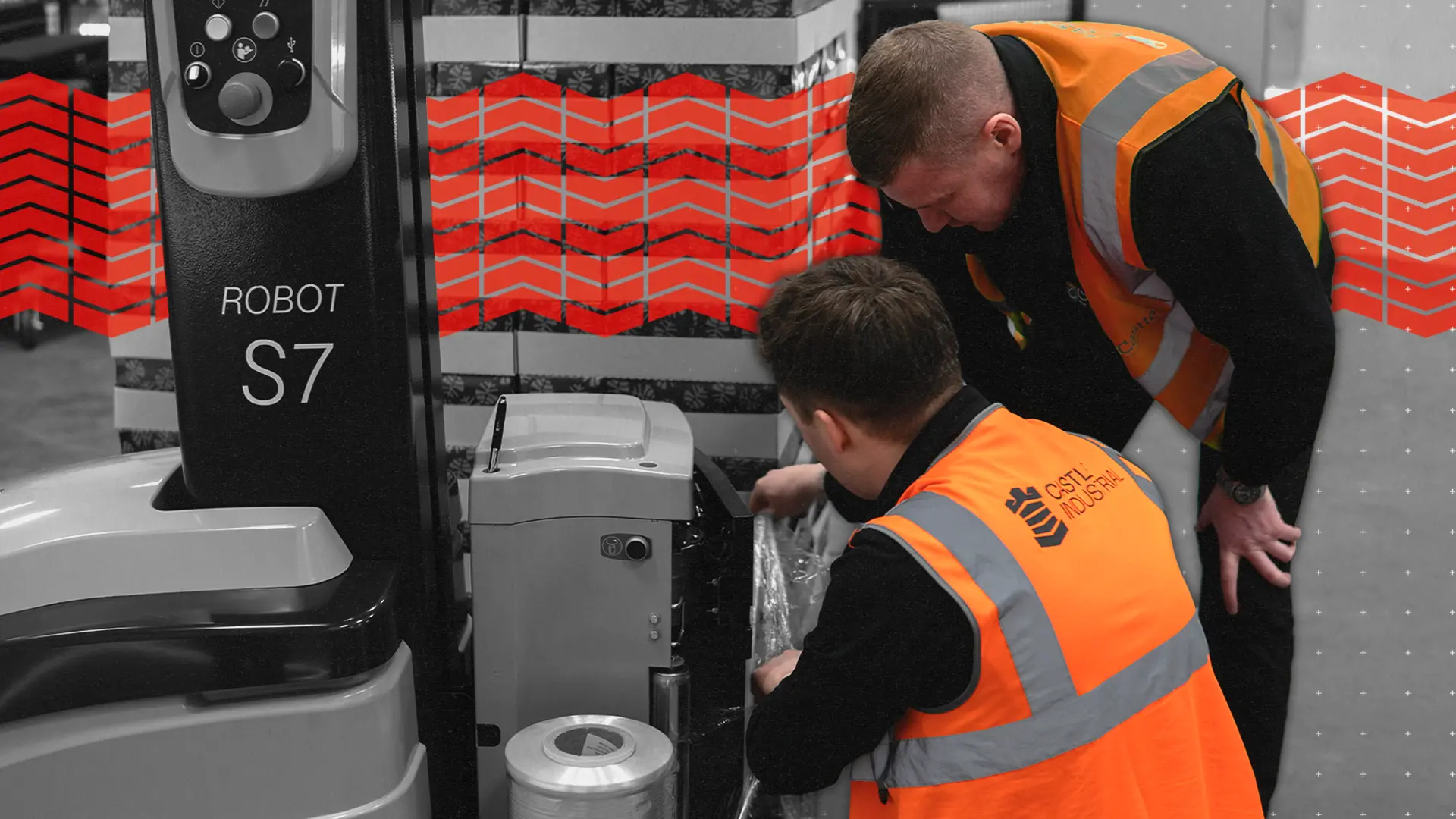
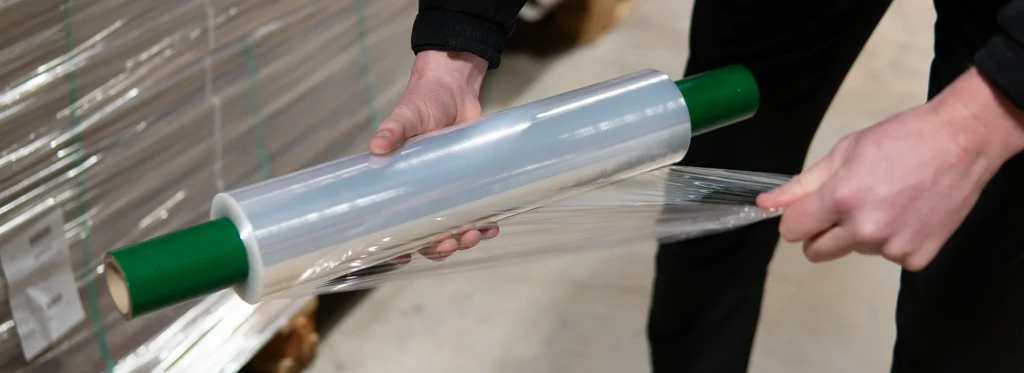
Machine condition, roller wear, wrap pattern, tension, and speed all determine how effectively film is used on the load, and inconsistencies in any of these can mean you’re using more film than necessary to achieve stability, or not enough to guarantee it. As Liam, Castle’s Technical Solutions Lead, puts it:

Stability has to be the reference point from which we reverse engineer the most cost-effective, operationally smooth, and sustainable solution.

LIAM BLAND

TECHNICAL SOLUTIONS LEAD

In other words, understanding your process is what makes any reduction sustainable in practice, not just on paper. There is also a real risk of treating film reduction as a purely material decision. Thinner films and recycled content reduce the margin for error in a wrapping operation, meaning small inconsistencies in machine condition or wrapping technique can have a much bigger impact than they used to.

3. Switch to Recycled Content Packaging

Switching to recycled content (PCR) pallet wrap is one of the most direct ways to reduce plastic packaging and meet both PPT and PPWR requirements, which will call for a minimum of 35% recycled content in stretch film placed on the EU market from 2030.

PCR content is not a straightforward swap for virgin film, however. Recycled feedstock tends to introduce more variability into the material, which can affect how it stretches and performs on the wrapper. In practice, this means PCR film often needs to be applied with more care, and sometimes more material, to achieve the same load stability as a virgin equivalent.

That’s not a reason to avoid recycled content pallet wrap, but it is a reason to test any switch on your own load and machinery before rolling it out across the operation. Consistency, not recycled content percentage alone, is what determines whether a PCR film will hold up in your operation.

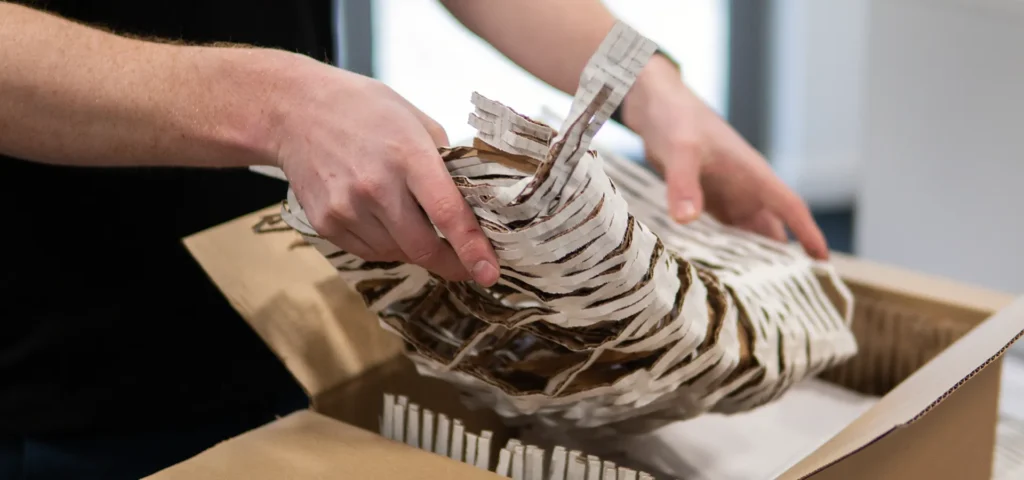
Close up of paper void fill being placed into a cardboard box

4. Introduce Paper-Based Alternatives

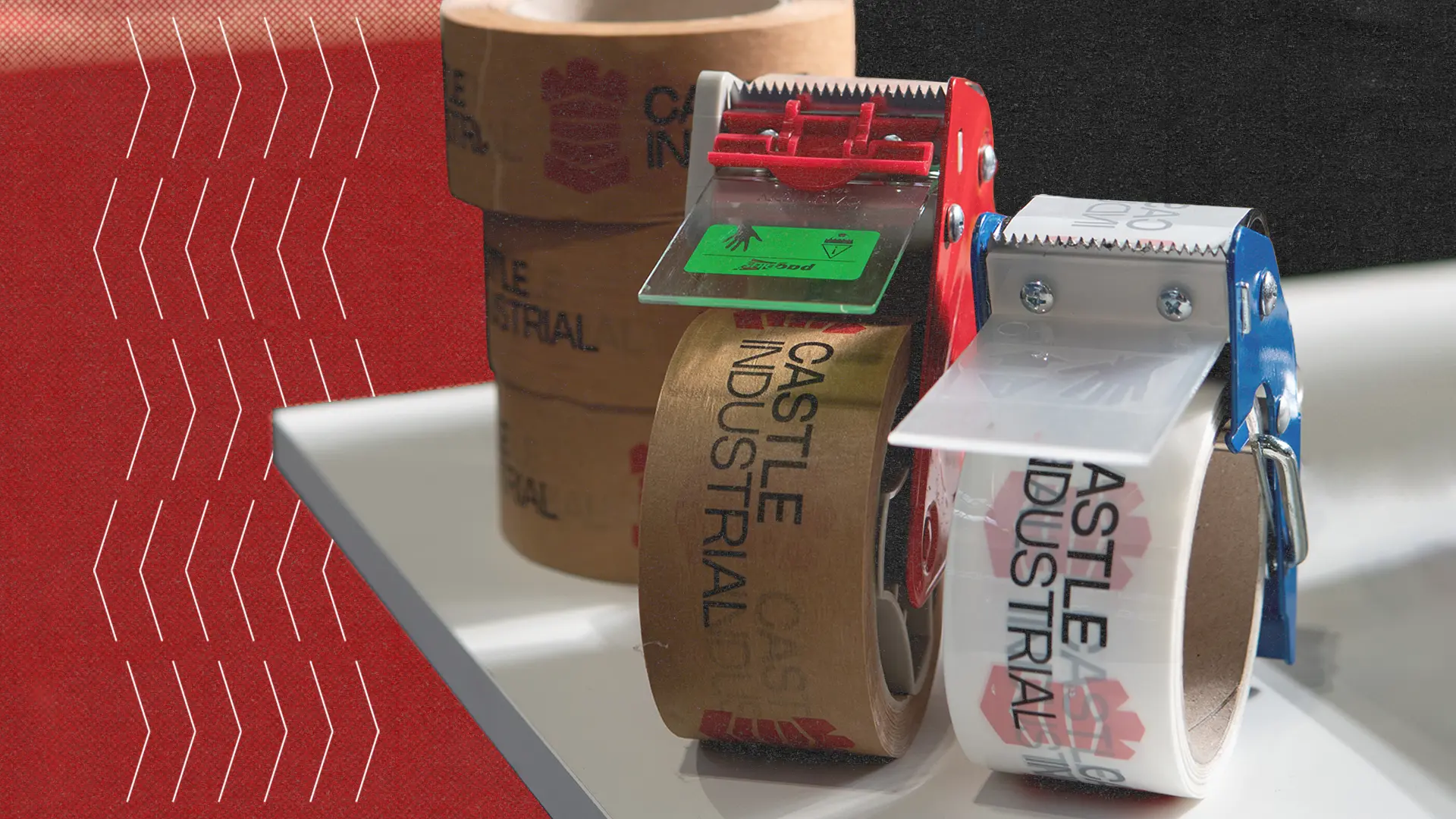
Paper-based alternatives, such as paper void fill instead of plastic air pillows and paper tape instead of plastic tape, are two of the most established ways to reduce plastic beyond pallet wrap. Both are worth reviewing as part of a wider Packaging Audit.

Performance should stay the priority alongside any plastic reduction, rather than assuming a ‘plastic-free’ material will automatically do the same job. Paper packaging behaves differently under compression and moisture. That’s why the experts at Castle recommend reviewing how sustainable alternatives perform for your specific products and transit conditions, rather than treating it as a like-for-like replacement.

Keeping paper and plastic elements separate, rather than combined into a single component, also makes both easier to recycle properly at the point of disposal.

5. Validate Any Changes Before You Rescale Them

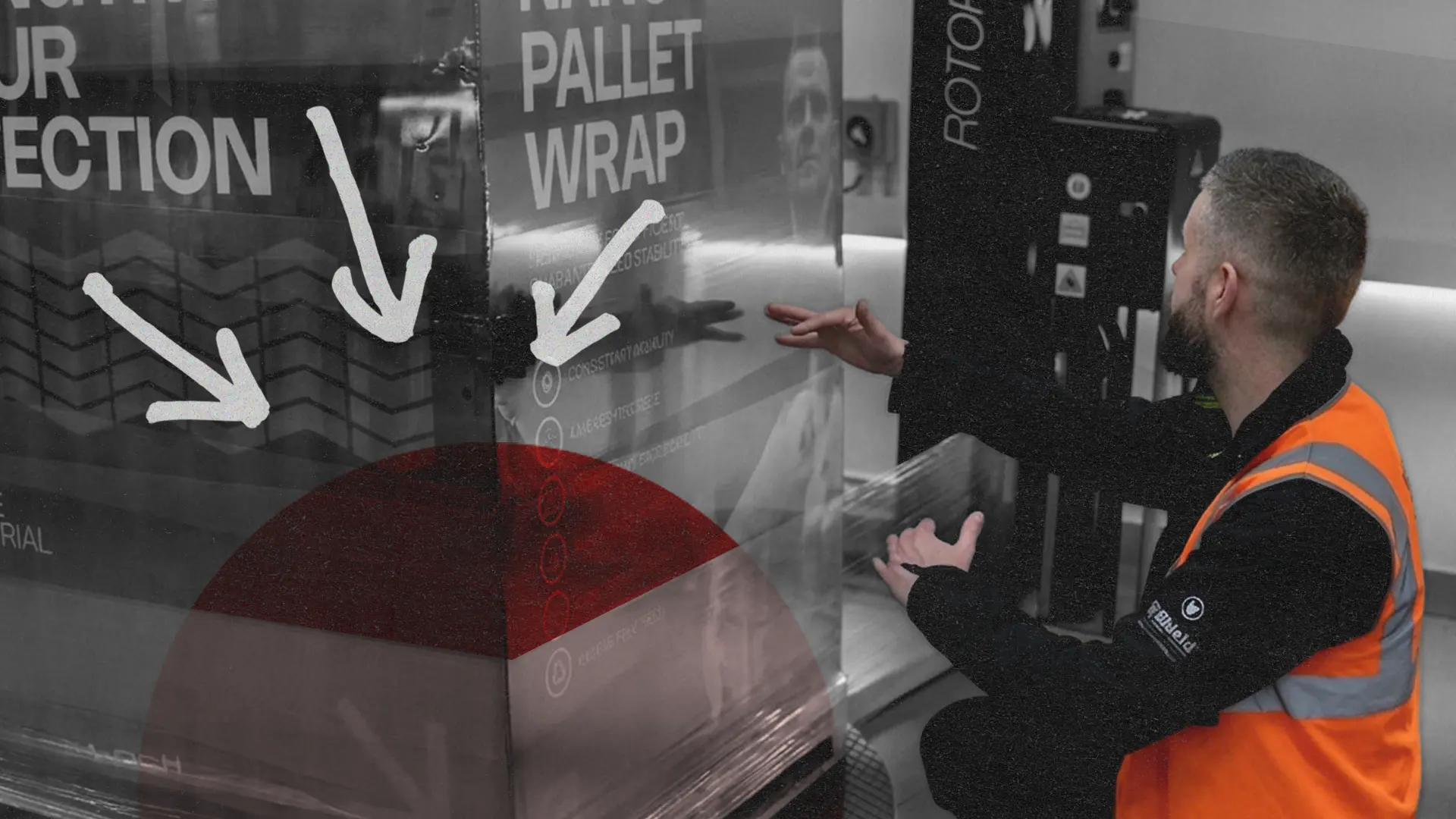
Simulation testing is the most reliable way to validate a packaging change before rolling it out at scale, because compliance does not automatically equal stability. Reducing plastic pallet wrap can tick the regulatory boxes on paper while still increasing your risk of load failure or product damage in transit.

Testing a proposed change against real transport conditions, rather than assuming it will perform the same as your current setup, is the difference between a reduction that holds up and one that creates costly problems further down the line.

BOOK A SPECIALIST PACKAGING REVIEW

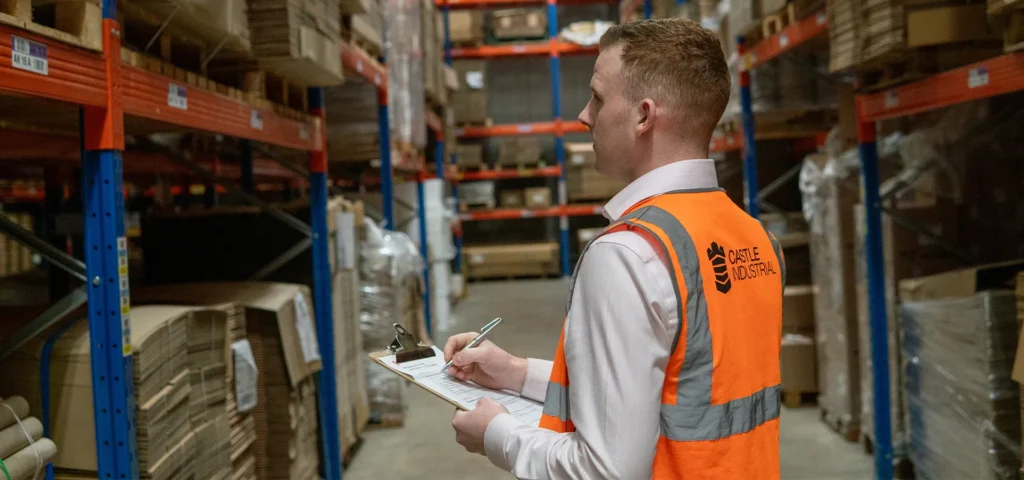
Packaging expert with a clipboard walking down warehouse aisle

Reducing plastic packaging is rarely as simple as using less material. It means understanding where your packaging is doing essential work, where there’s genuine room to change, and how to validate any change before it goes into full production.

That’s exactly why Castle’s Test Centre is helping businesses make lasting packaging changes. As the only load stability test centre of its kind in the UK, it allows our technicians to simulate real transport conditions and confirm whether a proposed packaging change will really hold up.

If you’re reviewing your packaging setup and want a specialist opinion on where the genuine reduction opportunities are, get in touch with our team to arrange a packaging review.

FREQUENTLY ASKED QUESTIONS

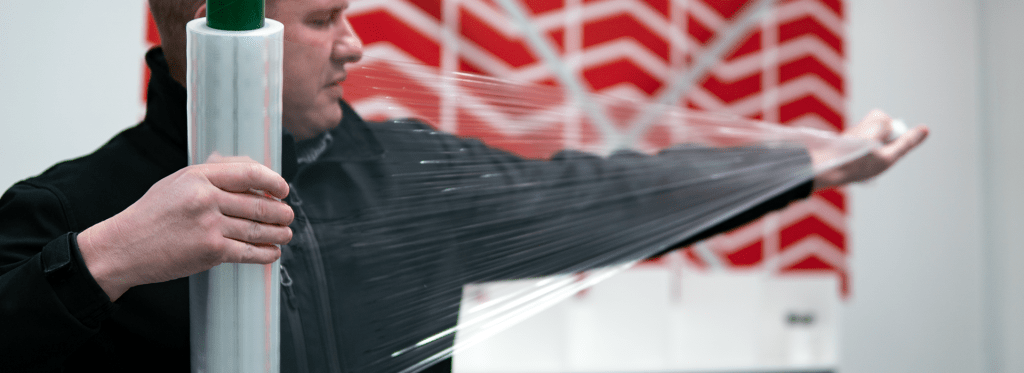
Technical Manager stretching film

Is pallet wrap covered by the UK's Plastic Packaging Tax?

Yes. Pallet wrap is considered plastic packaging for PPT purposes and is taxed at £228.82 per tonne if it contains less than 30% recycled content. Using pallet wrap with 30% or more recycled content exempts it from the tax.

Does using less pallet wrap reduce load stability?

It can, if the reduction isn’t tested against your specific products and machinery. Pallet wrap’s core job is keeping goods stable through thousands of destabilising events in transit, so any reduction in material needs to be validated, not assumed, to confirm it still delivers the same load stability.

Is recycled content pallet wrap as effective as virgin film?

It can be, but it isn’t a like-for-like swap. Recycled feedstock introduces more variability into the film, which can affect how it stretches and performs on the wrapper. PCR film often needs to be applied with more care, and sometimes more material, to match the stability of a virgin equivalent, so it’s worth testing before rolling out at scale.

What is PPWR and does it affect my business?

PPWR (the EU’s Packaging and Packaging Waste Regulation) sets minimum recycled content requirements for packaging placed on the EU market, including a minimum of 35% recycled content in stretch film by 2030. If you ship goods into the EU or Northern Ireland, then PPWR is relevant to your packaging specification, even if you’re UK-based.

What's the easiest first step to reducing plastic packaging?

Start with a Packaging Audit across all three packaging layers: primary, secondary, and tertiary, before making any material changes. This identifies where reduction is genuinely possible versus where current packaging is doing essential work, so any changes you make afterwards are targeted rather than guesswork.

0%

Blog Space List Category Filter
  • All
  • Load Stability
  • Pallet Wrapping
  • Regulations and Compliance
  • Sustainability
  • Packaging

5 Ways to Reduce Plastic Packaging

Reducing plastic packaging is FAST becoming non-negotiable for many businesses. Discover our expert tips on how to reduce the plastic packaging usage in your operation.

Ellie Chalmers Author

Written by

Ellie Chalmers

Why Does My Pallet Wrap Snap?

In bustling warehouse environments, there are few things as frustrating as snapping pallet wrap. Particularly if you’re expected to wrap throughout the day and are faced with issue every SINGLE time.

Ben Author

Written by

Ben Thompson

Achieving Load Containment Force

Containment force is essential to every pallet wrapping operation. Discover how to achieve containment for your pallets and eliminate in-transit damage.
Ellie Chalmers Author

Written by

Ellie Chalmers

Guide to Pallet Wrapping Machines

Whether you’re just starting your machine wrapper research, or you’re comparing specific models, this guide breaks down the essentials of machine wrapping
Ellie Chalmers Author

Written by

Ellie Chalmers

What is Pre-Stretch Pallet Wrap?

Pre-stretch pallet wrap explained: what it is, how it works, and whether it's the right film for your wrapping operation.
Ellie Chalmers Author

Written by

Ellie Chalmers