
Back to blog
HOW TO INCREASE SUSTAINABILITY
IN YOUR WAREHOUSE

Written by
ELLIE CHALMERS
SUSTAINABILITY

Table of Contents

Estimated read time: 18 mins
INTRODUCTION
Warehouse sustainability comes down to three things: the materials you use, how much of them you use, and how much is wasted through damage. Get those right and you cut plastic, carbon and cost at the same time.
At Castle Industrial, we’ve spent over three decades helping businesses across the UK optimise their pallet wrapping and pallet load stability from our base in Carnforth, Lancashire. Along the way, we’ve learned where the biggest sustainability wins are hiding in the warehouse.
Here’s the approach we recommend to our customers, from keeping pallet safe in transit, right down to protecting products inside each box.
Why warehouse sustainability matters now
Sustainability is no longer just a nice-to-have. Three pressures are making it a commercial priority:
- Plastic Packaging Tax: the tax per tonne on plastic is already more than double that of paper.
- Extended Producer Responsibility (EPR): modulated fees that grade products on their recyclability, rewarding businesses who are adopting easy-to-recycle materials.
- Customer expectations: surveys show that 70% of consumers expect environmentally responsible materials in their packaging.
1. START WITH A WAREHOUSE PACKAGING AUDIT
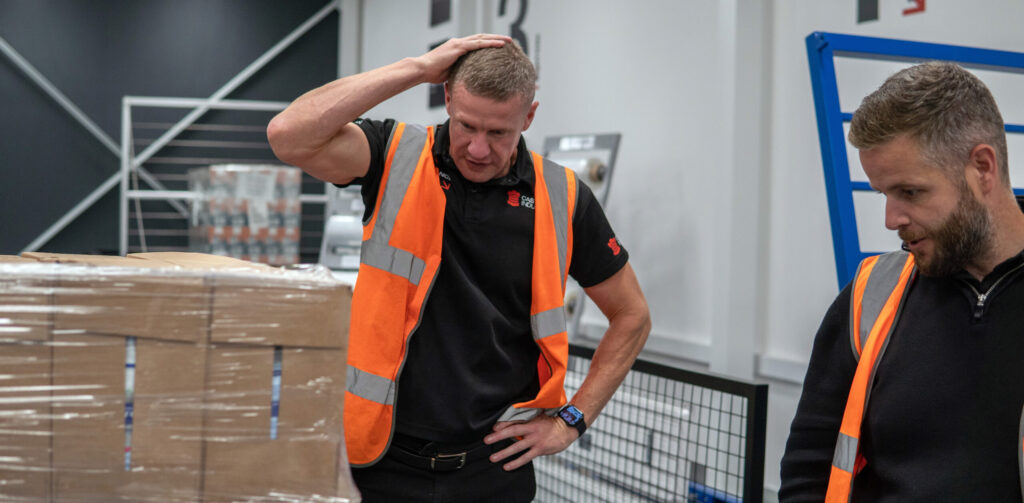
You can’t improve what you don’t measure. Before changing anything, review your packaging to record a baseline:
- How much pallet wrap you use per pallet, and on which machines.
- What void fill you use, how much you get through each month and where it’s stored.
- Your damage and returns rate, by product where possible.
- How much packaging waste leaves site, and what happens to it.
This baseline shows where your biggest opportunities are and lets you prove the impact of every change you make.
2. OPTIMISE YOUR PALLET WRAP TO REDUCE PLASTIC
Pallet wrap is one of the biggest uses of plastic in many warehouses, and it can easily be over-applied. More film doesn’t always mean a safer load. The right film, applied correctly, can use less plastic and still keep the load stable.
Our advice is to test, not guess. Many businesses choose their film on price per roll alone, without ever measuring how it performs on their own loads. A film that looks cheapest on paper can end up costing more, using more plastic or leaving a load unsafe.
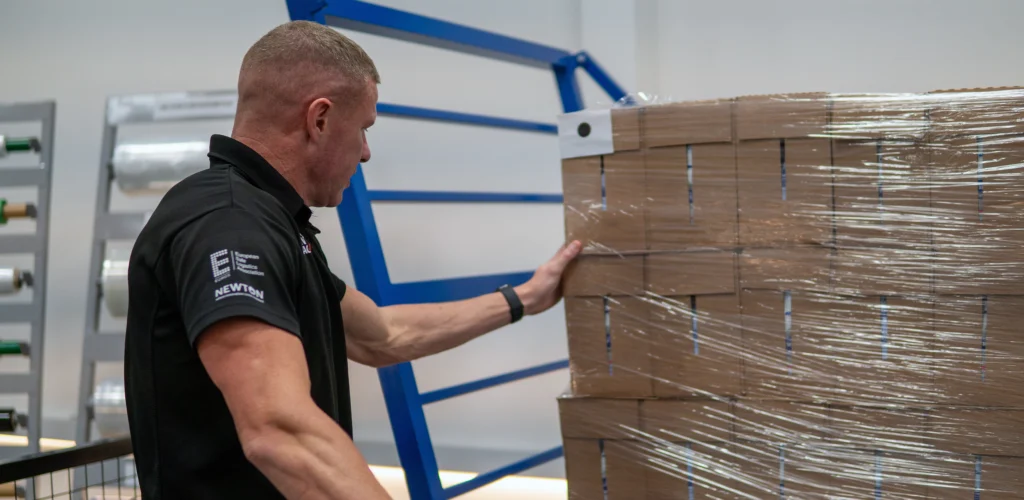
That’s why load stability testing sits at the heart of everything we do. Our team will:
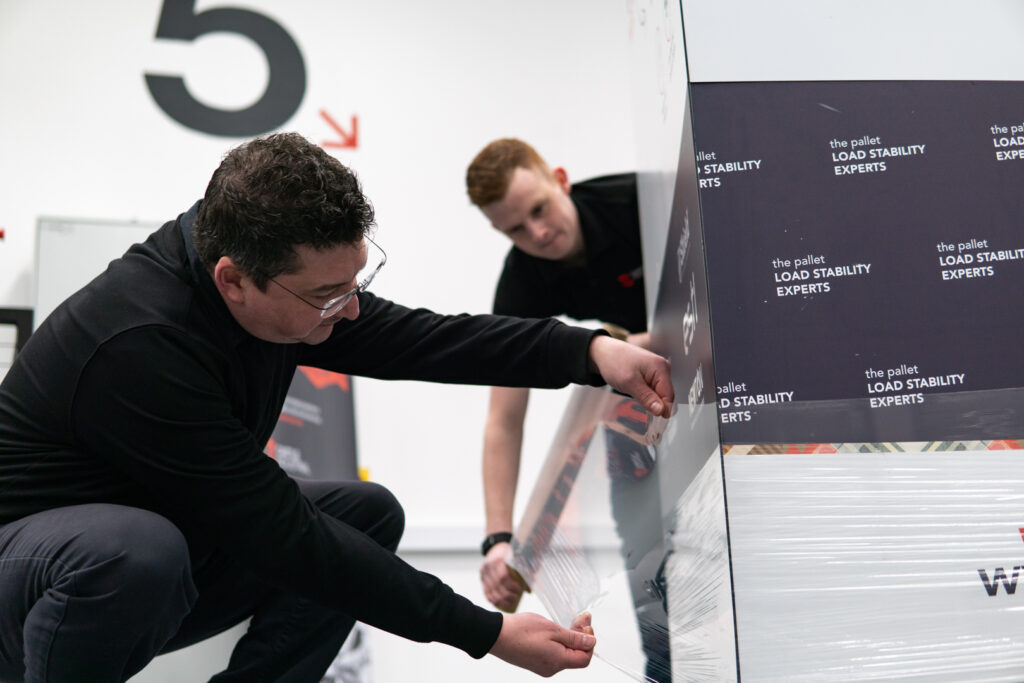
- Visit your site and record how your current film and machines are performing.
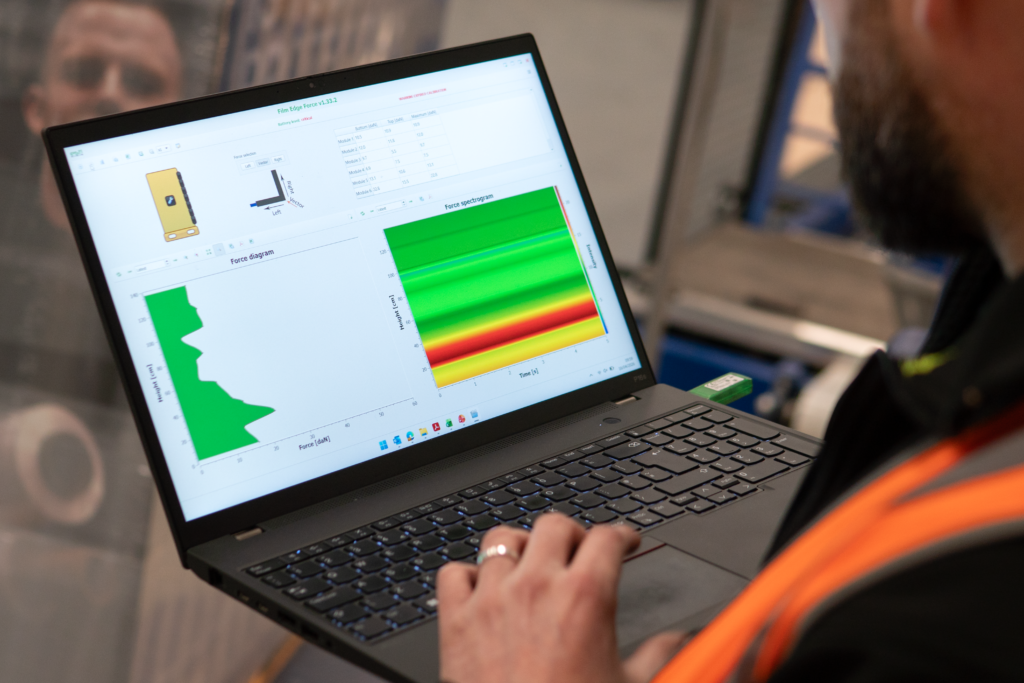
- Show exactly where on a pallet you could be applying too much or too little wrap.
- Recommend the right film and machine settings for each type of load.
- Carry out regular follow-up testing, so your film and machines keep performing as they should.
Every recommendation is backed by data, so you can cut pallet wrap use with confidence rather than risk.
3. SWITCH TO PLASTIC-FREE VOID FILL
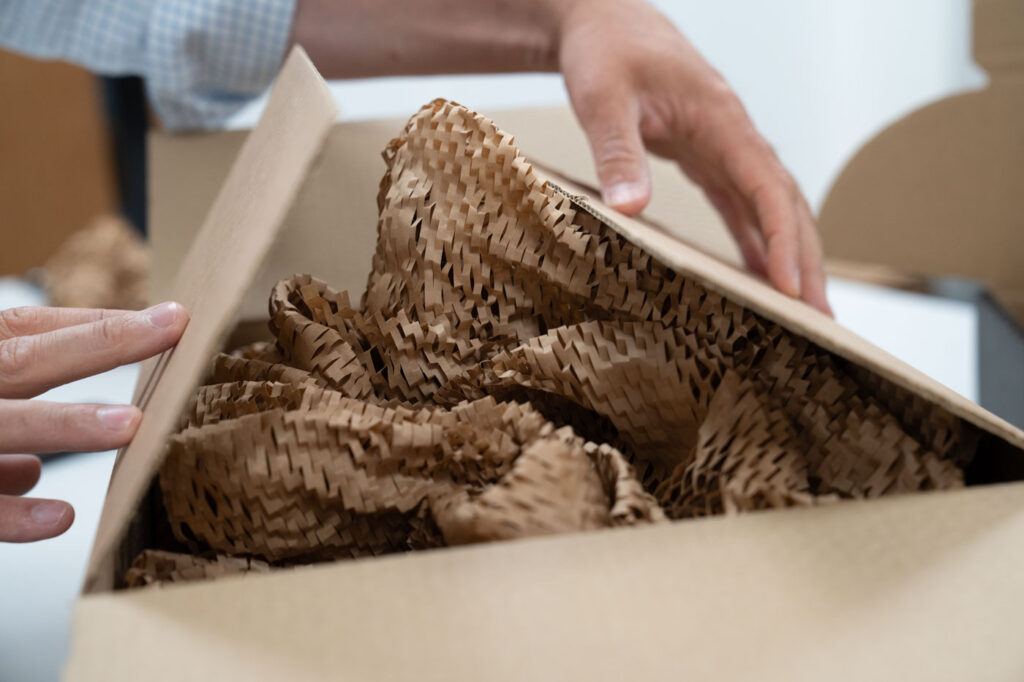
Once the pallet is optimised, the next big plastic habit is usually void fill. Air pillows, bubble wrap and loose fill are still the default on many packing benches. Switching to paper void fill is one of the quickest, most visible sustainability wins you can make.
| Comparison | Paper Void Fill | Plastic Void Fill |
|---|---|---|
| Raw Material | Renewable wood fibre | Mainly fossil fuels |
| Recycling in Europe | 75.1% recycling rate in 2024; each fibre recycled around 4 times on average | Usually recycled once or a limited number of times |
| At Your Customer’s Door | Kerbside recyclable | Often needs a separate drop-off, or ends up in landfill |
| Time to Break Down | Around 6 months | 500–1,000 years for a plastic bag |
Source: European Paper Recycling Council, Monitoring Report 2024 (recycling figures).
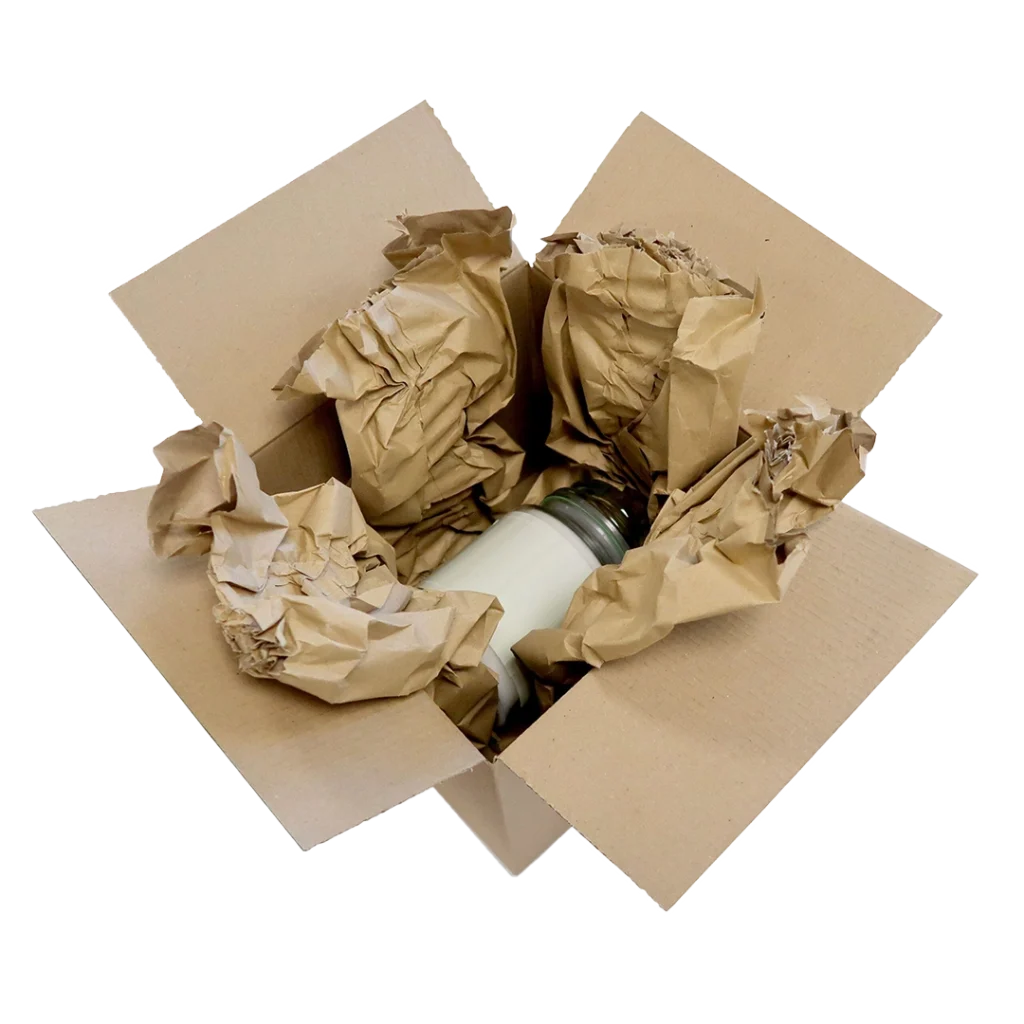
The key is choosing a paper system that’s performance and product protection meets the same standards as its plastic counterpart. That means a machine that turns paper into a structured cushion, not just crumpled sheets.

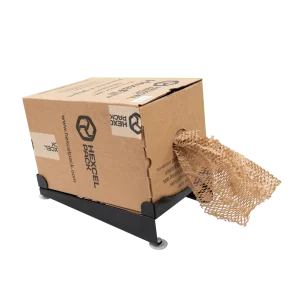


4. CHOOSE A PAPER VOID FILL SYSTEM BUILT FOR PERFORMANCE
As a Protega distributor, we recommend Protega paper cushioning systems. Each machine creases and crimps high-grade paper into a structured, shock-absorbing cushion. The paper shrinks by around 30% as it’s formed, and that compression gives the cushion its strength, so you need less material per box.
Third-party carbon measurement shows Protega paper has a 50% lower carbon footprint than plastic packaging. Kraft and black paper are made from 100% recycled, FSC®-certified stock, and the paper contains no plastic.
Protega offers a range of compact machines to suit different packing lines, from everyday e-commerce packing through to high-volume sites. One machine can handle void fill, top fill and wrapping, and the paper comes in kraft, white or black to suit your brand. We’ll help you choose the right set-up for your products and volumes.
5. USE LESS PACKAGING MATERIAL IN EVERY PACK
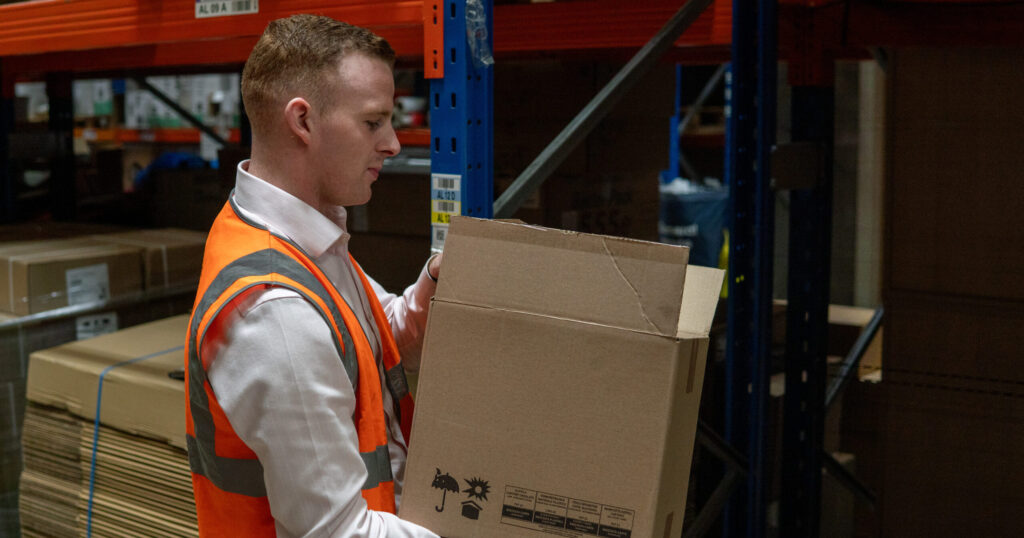
The most sustainable packaging is the packaging you don’t use. Two habits make a big difference:
1. Right-size your boxes: the less empty space in a carton, the less void fill it needs.
2. Train packers on technique: good technique protects products with less paper.
These are the four paper packing techniques we train packers on:
- Block and brace: wedge a small coil between the product and the box wall, rather than filling the whole box.
- Coiling: lay a coil as a protective base, nest heavy items on it, and add a coil on top.
- Cross method: lay cushions in a cross shape for quick, all-round protection of single items.
- Twisting: twist the cushion to bulk it up and fill gaps while using less paper.
6. REDUCE PRODUCT DAMAGE AND WASTE
Every damaged product is wasted materials, wasted transport and a replacement that has to be packed and shipped again. 20% of product returns in the EU are due to damage, so better protection is a sustainability measure in its own right.
This is where stable pallets and strong void fill work together. Load stability testing protects goods in transit between sites, and on average, Protega customers see breakages fall by over 60%.
7. CHOOSE UK-MADE SUSTAINABLE PACKAGING
Where your packaging comes from matters too. Packaging machines and sustainable paper products, such as those made by Protega, are manufactured in the UK. This means shorter transport distances, a more secure supply and local support. Protega also holds ISO 14001 environmental certification and Planet Mark certification, and all of its paper is FSC® certified.
8. MAKE PACKAGING EASY FOR CUSTOMERS TO RECYCLE
Your sustainability efforts don’t end when the parcel leaves your site. Choose packaging your customers can recycle at home. Paper void fill goes straight into the kerbside recycling bin, with no films to separate and no drop-off point to find. It’s a better experience for them and a stronger story for your brand.
9. MEASURE, REPORT AND KEEP IMPROVING
Go back to your baseline after a few weeks and compare pallet wrap use, void fill use, damage rates and packing speed. Use the results to update your Plastic Packaging Tax and EPR reporting, share progress with your customers, and decide where to focus next.
Maximise warehouse sustainability with Castle Industrial
At Castle Industrial, we supply a wide range of packaging products, but our main area of expertise is pallet wrap and pallet load stability: making sure pallets are wrapped efficiently and travel safely, while using the right amount of plastic.
Our pledge to every customer is simple: optimise pallet load stability, reduce cost and reduce plastic.
- On-site expertise: our load stability specialists come to your site to test, advise and keep your wrapping performing at its best.
- A global testing network: our testing is backed by a wider network of partners across Europe and the Far East.
- A complete packaging partner: alongside pallet wrap, we supply sustainable solutions for inside the box, including Protega paper void fill.
WAREHOUSE SUSTAINABILITY FAQS
Does paper void fill scratch products?
No. Paper void fill has the same surface as the inside of a cardboard box, so it won’t scratch products.
Isn't paper heavier than plastic for EPR?
EPR fees can be by weight. But a strong paper cushion lets you pack more efficiently, and the EPR thresholds are under review.
Will switching to paper void fill slow my packers down?
No. Protega machines are compact, fit a wide range of packing benches and include on-site training. An experienced packer can reload a roll in about 12 seconds.
How can I make my warehouse more sustainable?
Start with a packaging audit, optimise your pallet wrap with load stability testing, switch to plastic-free paper void fill, use less material in every pack, reduce damage, and measure your results.
LET'S MAKE YOUR WAREHOUSE MORE SUSTAINABLE
We’ve always believed the best packaging decisions are backed by data. Tackle the pallet and the box together, and you remove plastic from the whole shipment, not just part of it. That’s how real warehouse sustainability is achieved.
Want our advice on your warehouse? Get in touch with our team to book a site visit, arrange load stability testing or a Protega demo, or request paper samples to test with your own products.
0%

FEATURED PRODUCT
OVERVIEW
Void fill is used to take up unused space inside shipping cartons, helping to keep products stable throughout transit.
By cushioning items against knocks, drops, and vibration, it reduces the risk of in-transit damage. With options including paper, air cushions, foam, and other materials, void fill suits a wide range of packaging needs.
Commonly used across e-commerce, retail, and logistics, it offers a practical, cost-effective way to protect goods and maintain product quality during delivery.
Reduces Shipping Damage and Returns
Void fill helps protect products in transit by preventing movement inside the packaging. When items are properly supported, they’re far less likely to arrive damaged, reducing returns and replacement costs. The result is happier customers, improved retention, and lower overall costs from transit damage.

Written by Ben Thompson
FEATURES & BENEFITS
- Superior protection for products
- Cost-effective and lightweight
- Customisable options for different products
- Eco-friendly solutions available
- Versatile for various applications
- Reduces shipping damage and returns
COLOUR & SIZE
- Available in various colours and sizes.