




Table of Contents
Estimated read time: 19 mins
INTRODUCTION
In high-stakes industrial environments, the difference between a seamless workflow and a costly setback can come down to the smallest component: your choice of adhesive tape.
Whether you are taping up boxes for transit, or high-precision surface protection, matching your specific application to the correct solution is essential for operational efficiency.
This guide provides a technical breakdown of the three primary adhesive types: acrylic, hot melt, and solvent, to help you eliminate guesswork and optimise your packaging operation.
UNDERSTANDING THE IMPORTANCE OF TAPE IN INDUSTRIAL SETTINGS
Why the right adhesive tape matters for professional finishes
For warehouse and operations managers, “good enough” tape often leads to “not good enough” results. Using a tape with the wrong adhesion level can jeopardise the structural integrity of transit packaging or ruin a finished surface.
Selecting the right masking tape ensures that your team achieves professional, reliable finishes every time, protecting both the product and your brand’s reputation.
Common adhesive tape challenges
Low-quality or mismatched industrial adhesives present three major risks:
- Residue: Adhesives that “bake” onto surfaces require manual cleaning, killing warehouse efficiency.
- Bleed-through: Thin or poor-quality backings allow liquids to penetrate.
- Surface Damage: Tapes with too much “grab” for the surface can strip paint or coatings upon removal.
Tape is often treated as a commodity, but in practice it’s a performance product. The wrong kind of adhesive doesn’t just affect finish quality, it introduces rework, delays, and risk to the product itself.
Selecting the right tape for the surface and conditions is what ensures consistency and protects both efficiency and brand standards.
CALLUM JAMES
ACCOUNT MANAGER
BREAKING DOWN THE MAIN ADHESIVE TAPE TYPES
The role of industrial adhesives in tape performance
The “science” of tape is found in its chemical composition. Industrial adhesives are engineered to balance three factors: tack (initial grab), adhesion (permanent bond), and cohesion (internal strength).
Comparing kinds of adhesive tapes for different environments
Not all kinds of adhesive tape fit every application. A tape that thrives in a cold-storage warehouse may fail instantly on a construction site under direct UV exposure. Understanding these environmental variables is where Castle’s technical expertise adds genuine value to your supply chain.
ACRYLIC ADHESIVE TAPE: THE LONG-TERM SPECIALIST
UV resistance and outdoor applications
Acrylic adhesives are synthetically based and offer the highest resistance to ultraviolet light. Unlike other adhesives that turn brittle and yellow when exposed to the sun, acrylic remains flexible and functional.
Why acrylic is the go-to for temperature stability
Acrylic performs exceptionally well across a broad temperature spectrum. It is less likely to soften in high heat or lose its bond in the cold, making it a reliable choice for varying UK climate conditions.
- Best use cases: Construction and long-term storage.
- Construction: Perfect for shielding window frames or surfaces during long-term projects.
- Storage: If a pallet or product needs to remain masked for weeks rather than hours, acrylic is the safest bet for clean removal.
HOT MELT ADHESIVE: THE HEAVY-DUTY CHOICE FOR INSTANT TACK
High initial "grab" and tensile strength
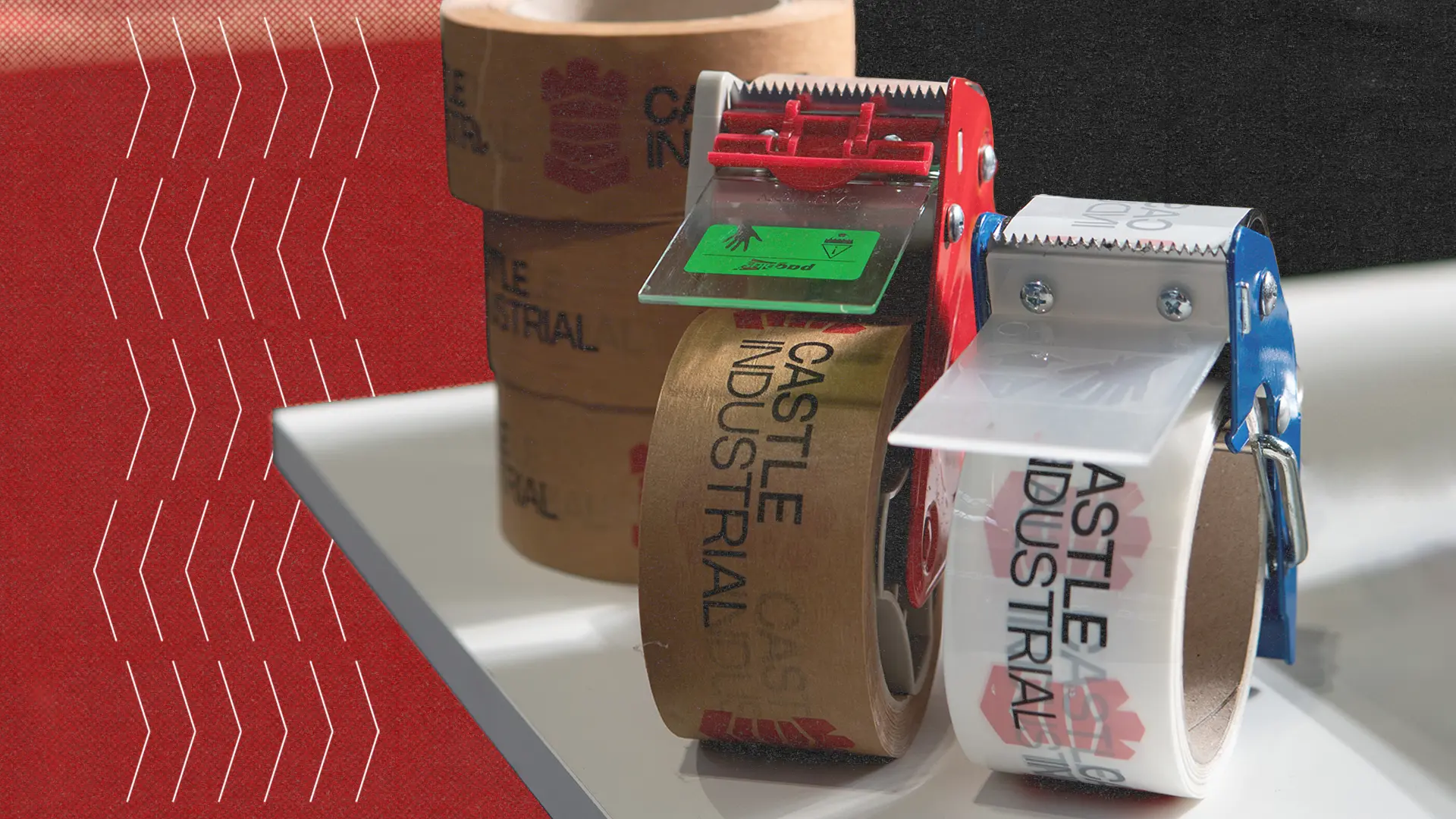
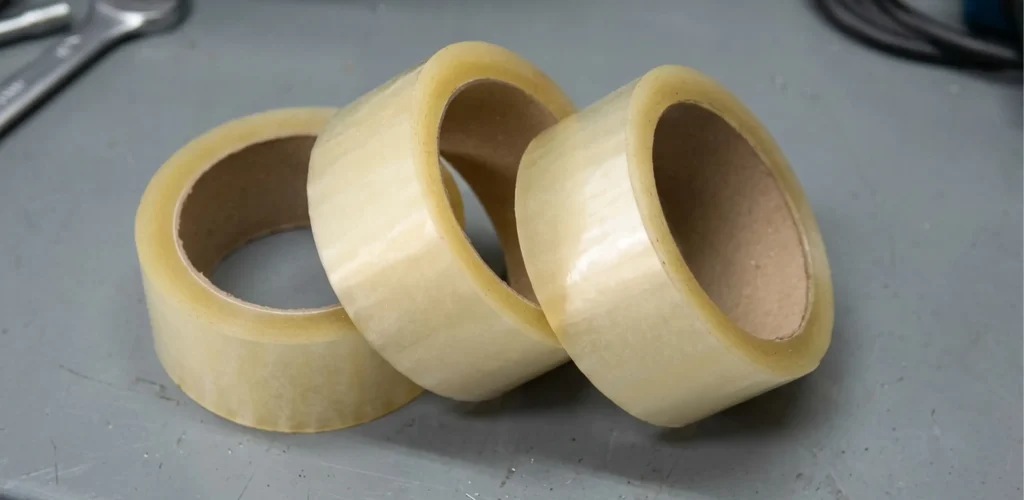
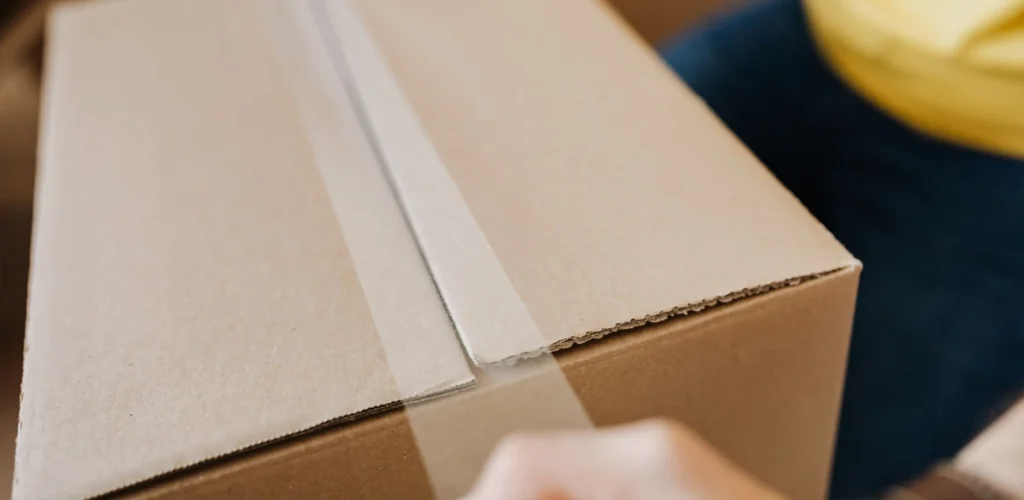
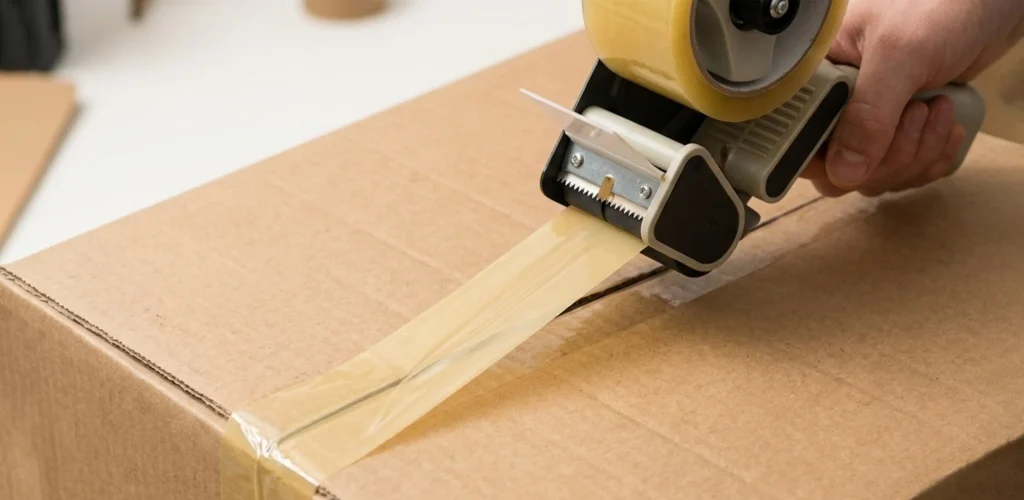
Hot melt is a thermoplastic adhesive that offers an aggressive initial “grab.” It is the most common choice for adhesive tape used in transit packaging because it bonds almost instantly to corrugated cardboard.
Understanding the limitations
While excellent for speed, hot melt has a lower tolerance for heat. In very warm warehouse environments, the adhesive can soften. It also tends to lose its bond strength faster over long periods compared to acrylic or solvent.
- Ideal industrial applications: Packaging and bundling
For high-volume shipping where warehouse efficiency is the primary pain point, hot melt is the cost-effective champion. It secures cardboard boxes quickly, allowing your team to move more units with less effort.
SOLVENT-BASED ADHESIVE: THE VERSATILE ALL-ROUNDER
Superior performance in extreme temperatures and humidity
Solvent adhesives are the “heavy lifters” of the tape world. They are formulated to withstand extreme moisture and temperature fluctuations that would cause other tapes to fail.
Chemical resistance and clean removal
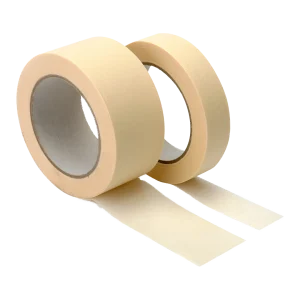
If your facility involves exposure to oils, solvents, or chemicals, this adhesive type is non-negotiable. Despite its strength, high-quality solvent masking tape is designed for clean removal, leaving no trace behind.
Why solvent is often the premium choice for masking tape
While the price point may be higher, the reliability of solvent tape reduces the ‘total cost of use’ by preventing rework and damaged goods. It is the technician’s choice for the most demanding industrial tasks.
COMPARISON SUMMARY: WHICH TAPE TYPE IS BEST?
| Feature | Acrylic | Hot Melt | Solvent |
|---|---|---|---|
| Initial Tack | Moderate | Highest | High |
| UV Resistance | Highest | Low | Moderate |
| Temperature Range | Wide | Narrow | Widest |
| Long-term Bond | Excellent | Fair | Excellent |
| Cost | Mid-range | Lowest | Premium |
Surface compatibility: Metals, plastics, and painted walls
- Metals: Solvent or Acrylic (to avoid corrosion or staining).
- Plastics: Acrylic (better compatibility with plasticisers).
- Cardboard: Hot Melt (for speed and cost-efficiency).
KEY FACTORS TO CONSIDER WHEN SELECTING YOUR MASKING TAPE
Application temperature vs. service temperature
A common mistake in procurement is ignoring the difference between these two. Application temperature is the environment when the tape is first applied; service temperature is what the tape must endure during transit or storage. At Castle Industrial, we use data-driven science to ensure your tape choice survives both.
Duration of use and "clean peel" requirements
Always define how long the tape will stay on the surface. For transit packaging (short duration), hot melt is fine. For protection during a 14-day manufacturing process, you require the “clean peel” properties of a solvent or acrylic adhesive.
OPTIMISING YOUR INDUSTRIAL WORKFLOW
Choosing the right kind of tape is not just about sticking things together; it’s about protecting your margins and your throughput. By aligning tape selection with use-case, teams can improve warehouse efficiency and reduce waste.
Explore our full range of Professional-Grade Tapes & Adhesives to find the perfect match for your operation.
The Industrial Adhesive Tape Selection Guide

Written by
Do You Really Need an On-Site Pallet Wrap Review?

Written by
Achieving Load Containment Force

Written by
Guide to Pallet Wrapping Machines

Written by
What is Pre-Stretch Pallet Wrap?

Written by
Long-Term Pallet Wrap Storage: Expert Tips from the Warehouse

Written by
What Is Void Fill Packaging (and Does It Prevent Damage)?

Written by
What is The Safest Pallet Stacking Pattern

Written by
PPWR Regulation: How to Reduce Plastic and Maintain Load Stability

Written by