

What is Plastic Packaging Tax? | Castle Industrial
Skip to content

Back to blog

WHAT IS PLASTIC PACKAGING TAX?

Written by

LIAM BLAND

Load Stability

Table of Contents

Estimated read time: 24 mins

GUIDE TO 2026 RATES, RULES & COMPLIANCE

The UK Plastic Packaging Tax (PPT) is no longer just a “new” regulation, it’s a significant operational cost that most warehouse managers and procurement teams will be all too aware of. 

Since its 2022 debut, the tax has been a moving target for UK businesses, and April 2026 brings another critical update. Beyond the rate hike, 2026 marks a major shift in how HMRC views evidence. With a new mandatory certification consultation on the horizon and stricter rules for recycled content claims, the days of simple self-declaration may soon be over. 

Keep reading to get to grips with: 

  • The 2026 Rate Hike: Why the jump to £228.82 matters for your 2026/27 budget. 
  • Who is Liable? A quick refresher on the 10-tonne threshold and registration rules. 
  • New Evidence Standards: How to prepare for upcoming certification requirements within the packaging industry. 
  • The 2027 Outlook: Why the removal of pre-consumer waste credits means you must act now. 

Don’t let a compliance gap cost you. Use the guide below to future-proof your packaging strategy and stay ahead of HMRC’s 2026 requirements. 

UNDERSTANDING THE PLASTIC PACKAGING TAX

Historical Background

The UK has long been at the forefront of environmental stewardship. Think back to the landfill tax introduced in the 1990s and more recently, carrier bag charges. These measures aimed to reduce waste, encourage recycling, and shift consumer behaviour towards more sustainable options. 

The Plastic Packaging Tax is a key part of this ongoing trend. Essentially, it’s designed to incentivise businesses to use recycled plastic materials and reduce their overall reliance on virgin plastic. 

Key Objectives

The main objective of the PPT is to cut down on unnecessary plastic waste. The government sets the goal of ensuring that plastic packaging components with less than 30% recycled content face a tax charge. This, in theory, makes recycled-content packaging more cost-competitive and encourages manufacturers, importers, and end users to innovate. 

  • Promote Use of Recycled Materials: By taxing finished plastic packaging components that fail to meet the 30% threshold, businesses are nudged to source more sustainable options.
  • Reduce Virgin Plastic Consumption: Using recycled plastic lowers the demand for new plastic resin and the resources required to produce it.
  • Support Wider Environmental Goals: Through these combined measures, the government hopes to move closer towards its net-zero targets.

HOW MUCH IS PLASTIC PACKAGING TAX?

From 1st April 2026, the Plastic Packaging Tax (PPT) rate is £228.82 per tonne. The rate increases annually in line with the consumer price index (CPI), so it’s worth keeping an eye on HMRC updates each spring. 

Tax Rate and Calculation

Tax Year Rate per Tonne
2022 – 23 £200
2023 – 24 £210.82
2024 – 25 £217.85
2025 – 26 £223.69
2026 – 27 £228.82

Who Pays Plastic Packaging Tax?

PPT applies to any UK business that manufactures or imports finished plastic packaging components. There are two important distinctions to the PPT regulations: the Registration Threshold and Tax Liability.  

1. Registration Threshold

Under HMRC’s guidelines, businesses must register their total plastic packaging when they: 

  • Manufacture or import 10 tonnes or more of finished plastic packaging components in the last 12 months.
  • Or  are expected to use 10 tonnes or more in the next 30 days. 

This applies regardless of the percentage of recycled content. 

2. TaxLiability

Businesses only pay tax on packaging that contains less than 30% recycled plastic content.  

Packaging that meets the 30% recycled threshold is exempt from the charge, though registration may still be required. 

How to Comply with Plastic Packaging Tax

Businesses must maintain accurate records, including details on the weight of plastic packaging, its recycled content, and relevant invoices to demonstrate compliance. 

If you import packaging film directly, you’ll likely handle compliance yourself. If you buy from a UK supplier, the tax is typically already factored into their pricing (though it’s always worth confirming). 

WHAT PPT MEANS FOR TRANSPORT PACKAGING

When we talk about transport packaging, stretch film is often the first thing that comes to mind. Amidst the latest PPT regulations, many supply chain operations are re-assessing their film usage, costs, plastic waste, and load stability.

Using ‘Less’ Film

In an attempt to reduce their plastic usage, companies may overstretch their wrap, or downgauge film on a purely ‘green’ basis. However, the risk this poses to in-transit damage can often bring far greater costs than any environmental footprint.

The name of the game is balance: achieving total stability of load units while keeping operations as streamlined and efficient as possible. 

Financial Implications

Naturally, the introduction of a tax can result in added costs, depending on the volume and type of stretch film you’re using. While a small or medium-sized business might see a moderate impact, larger operations that cycle through high volumes of packaging material could face significant expense if they don’t adapt.

However, this isn’t solely about cost, there’s also an opportunity here to re-examine long-standing purchasing habits, possibly revealing efficiency gains or sustainability improvements in the process. 

More Recycled Content Pallet Wrap

In a bid to reduce plastic packaging tax costs, many operations are seeking recycled content pallet wrap alternatives, such as post-consumer and post-industrial recycled content.

Due to variations in PCR performance from supplier to supplier, any decisions around new PCR films need to prioritise load stability. Learn more about how to reduce plastic and maintain load stability.

It’s easy to focus on cutting costs with your stretch film, but if it can’t keep your pallets stable, you’ll pay for it in damaged goods and downtime later. With the Plastic Packaging Tax in the mix, finding a film that strikes the right balance between recycled content and load stability is crucial—there’s really no sense in skimping if it costs you more in the long run.

Ben's circle headshot

BEN THOMPSON

TECHNICAL MANAGER

PPT STRATEGIES FOR WAREHOUSE MANAGERS & PROCUREMENT TEAMS

Assess Current Stretch Film Usage

Begin by examining the quantity and specification of the stretch film you currently use (including gauge, weight, polymer type). If you’re importing directly, check if you already exceed 10 tonnes per year. Even if you’re below that, it pays to track usage accurately. This helps with forecasting and budgeting, and sets a baseline for improvements.

Balancing Quality and Sustainability

One of the biggest challenges is ensuring that incorporating recycled material doesn’t compromise load stability. High-quality recycled-content films have come a long way in recent years, but not all recycled materials are created equal. 

Testing new films under real-world conditions is crucial. You don’t want to risk broken pallets or product damage, which can negate any cost savings or sustainability gains. Load stability testing at our Test Centre can confirm the right specification for your load before you commit to a switch.

Building Strong Supplier Partnerships

Your suppliers can be invaluable allies. A reputable supplier will be transparent about the recycled content of their films, offer certifications where necessary, and possibly even provide test rolls so you can assess performance. Develop a close relationship with them, share your load stability challenges, and work together on finding the optimal solution. This collaboration might include exploring different film formulations, adjusting pre-stretch settings, or trialling new technology.

Load Optimisation Techniques

Sometimes the secret to using less stretch film is simply better load configuration. For instance, if you’re wrapping irregularly shaped items, consider using corner boards or horizontal strapping to give your load more structure.

In one warehouse we visited recently, switching from a random stacking method to a more structured pallet build cut their stretch film usage by nearly 10%. Those savings quickly add up (and also reduce your PPT exposure). 

Recycling and Closed-Loop Systems

Some businesses are adopting in-house recycling or closed-loop systems, where used plastic packaging is reclaimed and sent back to manufacturers to be processed into new film. While this requires initial investment in balers, compactors, and recycling partnerships, it can pay off in the long runboth financially, reputationally, and environmentally.

Monitoring and Continuous Improvement

Finally, the most effective strategies won’t mean much if you’re not monitoring your usage data. Track the weight of stretch film purchased, the number of pallets wrapped, and the associated costs. Over time, this data allows you to pinpoint trends and measure the real impact of any changes you implement.

FUTURE OUTLOOK

Potential Changes in Legislation

The Plastic Packaging Tax is still evolving. The government might adjust rates or thresholds based on how effectively the tax is meeting its environmental objectives, along with expected changes to approved recycling streams in 2027. 

Being proactive (staying informed through HMRC updates, industry news, and professional associations) will help you anticipate and plan for these changes. 

Trends in Sustainable Packaging

Beyond recycled-content films, the market is seeing a surge in biodegradable or compostable materials. While these remain niche in heavy-duty transport applications, ongoing research could bring game-changing innovations.

Opportunities for Competitive Advantage

Customers, investors, and even employees often favour companies with strong environmental credentials. Taking proactive steps like reducing virgin plastic use, optimising packaging design, and investing in load stability solutions can position operations as both cost-efficient and environmentally responsible.

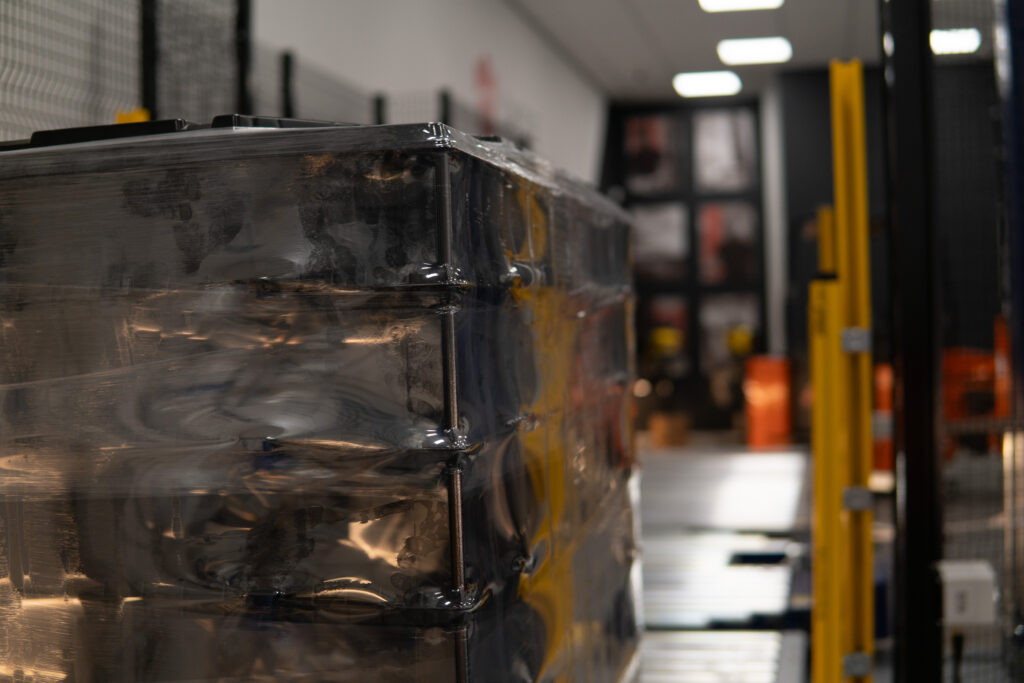
close up of film on a wrapped pallet coming off a Robopac autoline

CONCLUSION

Navigating updates to the UK Plastic Packaging Tax presents an opportunity to re-evaluate existing practices and move towards more sustainable, cost-effective solutions.

Beyond box-ticking for compliance, understanding how PPT specifically affects stretch film usage puts you in a strong position to manage any potential financial impact.

Above all, don’t lose sight of your core objective: protecting the integrity of your loads. By striking the right balance between sustainability, compliance, and performance, you can maintain a safe, efficient operation while also doing your part to safeguard the environment.

0%

What is Pre-Stretch Pallet Wrap?

Pre-stretch pallet wrap explained: what it is, how it works, and whether it's the right film for your wrapping operation.
Ellie Chalmers Author

Written by

Ellie Chalmers

What is The Safest Pallet Stacking Pattern

Collapsed pallets come at a cost. And while there are many factors influencing pallet stability, there’s one key player that’s often overlooked: the pallet stacking pattern.
Ellie Chalmers Author

Written by

Ellie Chalmers

What is Stretch Film Memory?

Discover why stretch film memory is crucial for pallet stability, reducing damages, and protecting your supply chain.
Liam Author

Written by

Liam Bland