
Back to blog
WHAT IS VOID FILL PACKAGING (AND DOES IT PREVENT DAMAGE)?

Written by
ELLIE CHALMERS
SUSTAINABILITY

Table of Contents

Estimated read time: 19 mins
INTRODUCTION
Sometimes, the culprit behind a damaged parcel is obvious: snapped film or a collapsed pallet is easy to spot. But if you’re struggling to trouble shoot your damaged deliveries, inadequate void fill inside your package could be the missing piece of the puzzle.
When used correctly, void fill packaging can be the difference between a product arriving safely and one that’s headed straight back to you. In fact, research shows that damage-related returns reduce by 18% when packaging lines adopt protective packaging like void fill.
In this guide, we’ll explain what void fill packaging is, and why it’s essential for maintaining load stability, and how to choose the right solution for your needs.
WHAT IS VOID FILL AND HOW DOES IT PROTECT YOUR PRODUCTS?
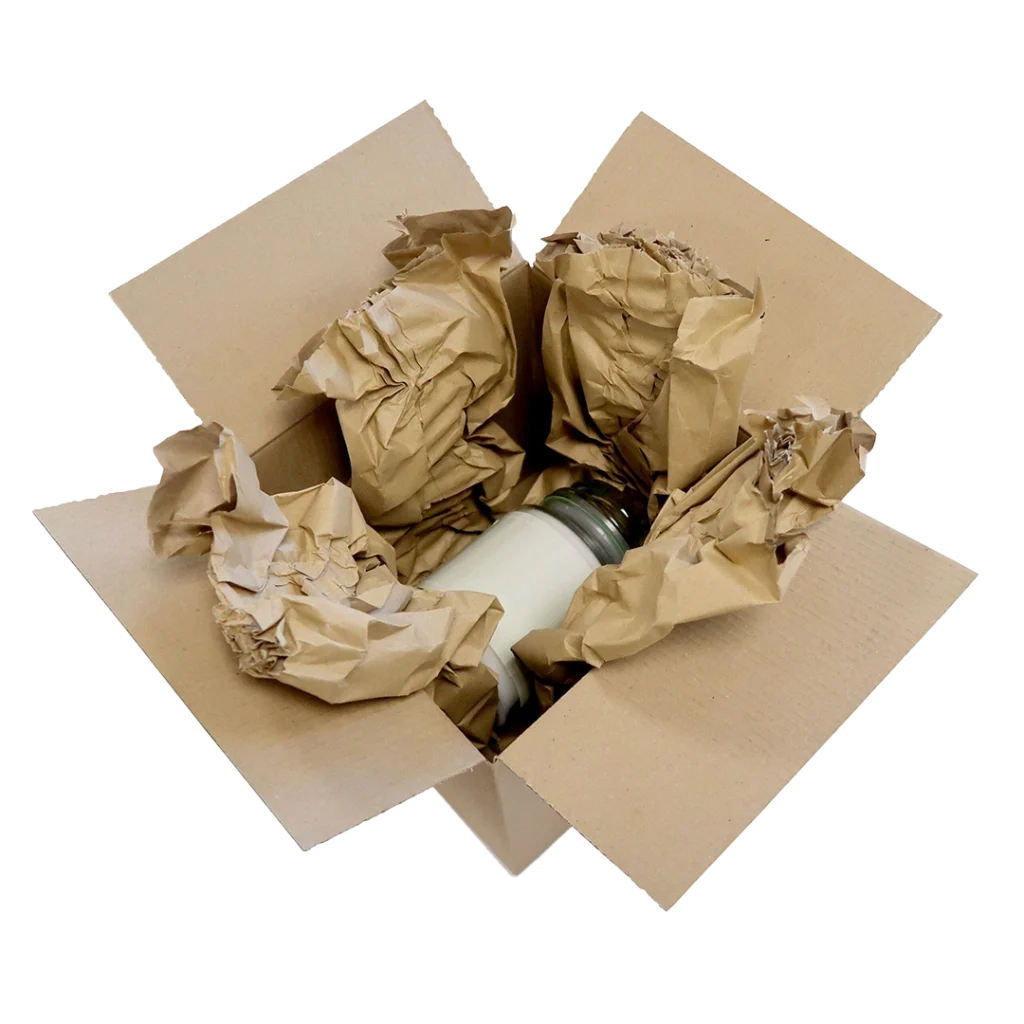
As the name suggests, void fill is a type of protective packaging material used to fill empty space in boxes. When products don’t fit snugly in their packaging, they’re free to shift, knock against each other, and collide with the walls of the box during handling and transport. Void fill prevents this movement by cushioning the products, keeping them secure, and reducing in-transit movement by 70–80%.
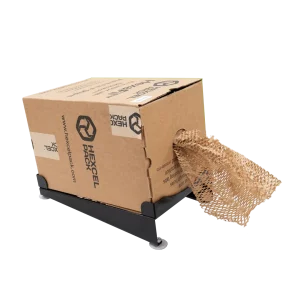
There are several types of void fill packaging available, but paper-based options like HexaFil and Hexcel Paper Fill have become increasingly popular. These materials are versatile, cost-effective, and importantly, recyclable, making them a smart choice for businesses looking to balance product protection with sustainability.

How Does Void Fill Packaging Work
When properly applied, void fill:
- Absorbs shock and vibration during transit.
- Prevents products from shifting inside the box.
- Protects fragile items from impact.
- Maintains the structural integrity of your packaging, especially when boxes are stacked.
Think of it as the difference between placing a wine glass loose in a box versus nestling it in crumpled paper. The glass itself hasn’t changed, but its chances of surviving the journey have improved dramatically.
PAPER VOID FILL VS OTHER TYPES OF VOID FILL
Void fill packaging is a blanket term for a range of protective packaging solutions. Depending on your business needs, there are several different types of void fill to choose from:
- Paper void fill – Recyclable, versatile, and environmentally friendly. Examples include crinkle paper, kraft paper, and honeycomb paper.
- Air pillows – Lightweight inflatable cushions that are space-efficient before use, suitable for lighter items.
- Foam peanuts – Loose-fill packaging that provides excellent cushioning but may impact a business’ sustainability goals.
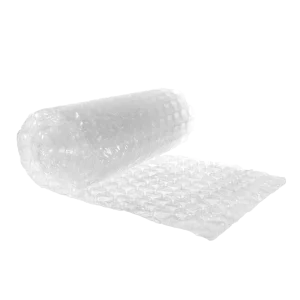
- Bubble wrap – Plastic sheeting with air-filled bubbles offering good protection, but are less sustainable than paper alternatives.
Take a deeper look into at our Protective Products to find the right option for you:




Why Paper Void Fill Is the Sustainable Choice
Paper void fill offers several compelling advantages that make it ideal for modern shipping needs.
Environmental credentials are perhaps its biggest selling point. Paper void fill is made from recyclable materials and often uses recycled content itself, which aligns with growing environmental expectations from both consumers and regulations. Unlike foam peanuts or bubble wrap, it can be easily disposed of in standard recycling streams, and it biodegrades naturally if it does end up in landfill.
Versatility is another key strength. Paper void fill is suitable for protecting everything from electronics to ceramics, glassware to cosmetics. It conforms to product shapes, fills irregular spaces, and provides cushioning without the rigidity of some alternatives. You won’t find it creating the mess associated with foam peanuts or the disposal headaches of plastic materials.
Performance shouldn’t be underestimated either. Quality paper void fill provides excellent shock absorption and product protection. It’s particularly effective for medium-weight items and can be layered for additional protection when needed. The material compresses under impact, absorbing energy that would otherwise transfer to your products.
Cost-effectiveness makes it accessible for businesses of all sizes. Paper void fill typically offers a favourable cost-per-package ratio, especially when you factor in the reduced damage rates and the fact that customers appreciate sustainable packaging choices.
For most applications, paper void fill strikes the right balance between protection, sustainability, and cost.
HOW VOID FILL HELPS MAINTAIN LOAD STABILITY
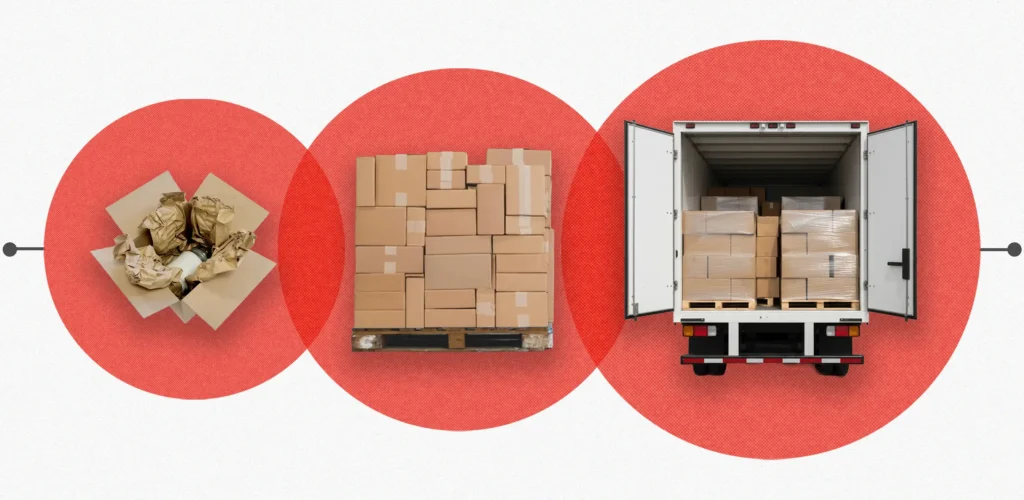
Load stability doesn’t just happen at the pallet level. It starts inside each individual box before your pallet even leaves the warehouse.
When products shift inside their packaging, they create instability that cascades upward. This compromises the stability of your entire pallet load, increasing the risk of toppling, damage, and failed deliveries.
Void fill should work in harmony with your wider load stability set up: from the pallet wrapping method and film quality, to pallet stacking pattern and box dimensions.
By preventing movement at the product level, you’re building a foundation for stability throughout the entire shipping process. Not sure if you have the correct set up? Check out our guide to identify the warning signs of load stability issues.


At Castle Industrial, we understand that load stability is a system, not a single solution. That’s why we offer comprehensive advice on achieving optimal stability for safe transit, from the products inside the box to how those boxes are arranged and secured on the pallet.”

BEN THOMPSON
TECHNICAL MANAGER


COMMON VOID FILL MISTAKES THAT COMPROMISE LOAD STABILITY
Void fill packaging is simple in concept, but there are several mistakes that can reduce its effectiveness:
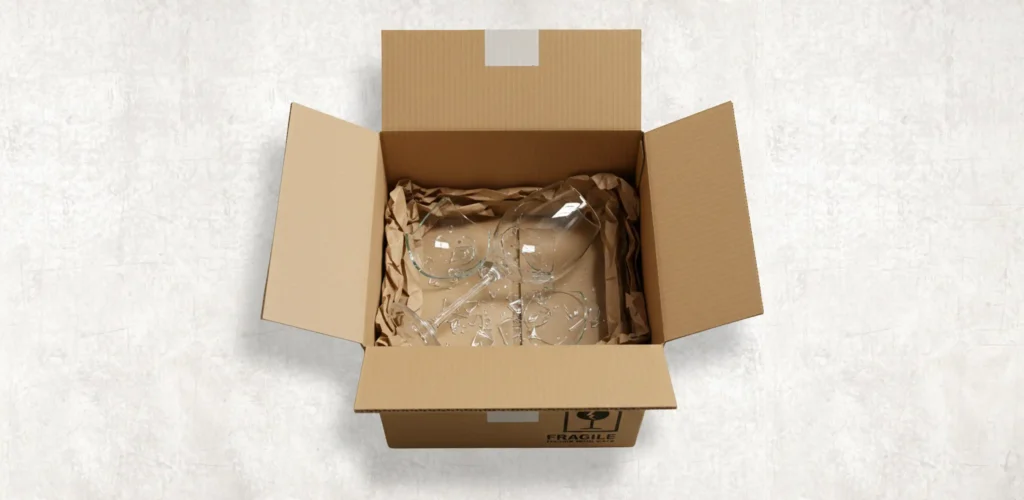
Underfilling boxes is one of the most common errors. If there’s still room for products to move around, you haven’t used enough void fill. The contents should feel snug and not rattle around when you give the box a gentle shake.
Overfilling is equally problematic. Cramming too much void fill into a box can prevent it from closing properly, strain the seams, or even damage products through excessive pressure.
Using the wrong material for your product type is another frequent issue. A heavy industrial part needs different protection than a decorative ceramic. Consider both the weight and fragility of your items when selecting void fill packaging.
Ignoring pallet stacking patterns means missing the bigger picture. Even if individual boxes are well-protected internally, poor stacking can create pressure points that cause crushing. Think about how your boxes will be arranged and stacked during transport.
Quick Tip: Always match your void fill type to your product’s fragility and box size. When in doubt, test your packaging before committing to a full production run. A few damaged items during testing are far less costly than hundreds of returns from customers
CHOOSING THE RIGHT VOID FILL FOR YOUR BUSINESS
The goal isn’t to add as much void fill as possible, it’s to choose the right type, applied in the right way, for your specific products and transit conditions.
That’s why we recommend simulation testing so you can trial different void fill products to find the optimal solution for your packaging operation. Whether you’re looking for paper void fill, pallet wrap, or comprehensive packaging advice, we have the expertise and products to help.
Ready to improve your packaging strategy? Browse our protective packaging products or get in touch with our team to discuss your specific requirements.
0%

FEATURED PRODUCT
OVERVIEW
Void fill is used to take up unused space inside shipping cartons, helping to keep products stable throughout transit.
By cushioning items against knocks, drops, and vibration, it reduces the risk of in-transit damage. With options including paper, air cushions, foam, and other materials, void fill suits a wide range of packaging needs.
Commonly used across e-commerce, retail, and logistics, it offers a practical, cost-effective way to protect goods and maintain product quality during delivery.
Reduces Shipping Damage and Returns
Void fill helps protect products in transit by preventing movement inside the packaging. When items are properly supported, they’re far less likely to arrive damaged, reducing returns and replacement costs. The result is happier customers, improved retention, and lower overall costs from transit damage.

Written by Ben Thompson
FEATURES & BENEFITS
- Superior protection for products
- Cost-effective and lightweight
- Customisable options for different products
- Eco-friendly solutions available
- Versatile for various applications
- Reduces shipping damage and returns
COLOUR & SIZE
- Available in various colours and sizes.