
Back to blog
HOW TO MAXIMISE WAREHOUSE EFFICIENCY WITH AUTOMATION

Written by
ELLIE CHALMERS
SUSTAINABILITY

Table of Contents

Estimated read time: 17 mins
INTRODUCTION
Wrapping your pallets by hand, filling boxes with void fill by eye, or taping up a box so it ‘looks secure’ all have one thing in common. They leave heaps of room for human error.
In the modern warehouse where every box counts, teams face a challenging balancing act: keep costs low, throughput high, and ensure every package leaving the warehouse is consistent, compliant and safe.
Experienced operations managers will know that true warehouse efficiency isn’t just about how fast a picker moves down an aisle. If the packaging process relies on manual guesswork, your bottom line is at risk. That’s why progressive logistics teams are shifting from manual application to precision packaging machinery.
In this guide, we break down how warehouses are becoming more efficient, preventing transit damages, and reducing packaging waste through automated packaging machinery.
THE DANGERS OF ‘GUESSING’ YOUR PACKAGING OPERATION
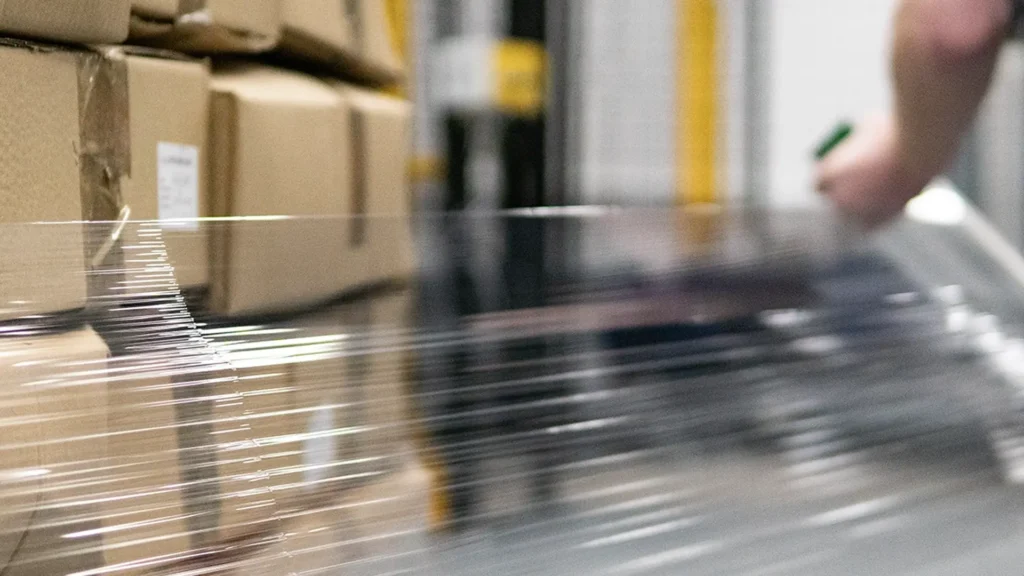
Whether your operation is case packing, wrapping pallets for transit, or managing the entire end-of-line process, even the most streamlined warehouse teams can harbour hidden inefficiencies.
Despite the introduction of packing guidelines, procedures, or technical documentation, if you’re replying on manual packaging, you’ll never achieve true warehouse efficiency.
Warehouses that measure blind face:
- Inconsistent Packing: Material use from one box to the next can vary massively, especially if you have a large team. Automation standardises this process to ensure every package is identical.
- Unpredictable Material Costs: When operators rely on manual judgment to determine how much protective packaging or material to use per order, forecasting spend is reduced to guesswork.
- Excessive Material Use: Excessive material consumption drives up the unit cost per shipment, accelerates inventory depletion, and artificially inflates your operation’s carbon footprint metrics.
- Inflated Consumable Waste: By packing by eye, teams unwittingly deplete rolls, sheets, or fills far quicker than necessary.
- Under-Protection: Insufficient material application leads to compromised structural integrity, weak containment force, shifting goods, transit failure, and the logistical nightmare of processing customer returns.
ACHIEVING WAREHOUSE EFFICIENCY WITH AUTOMATED PACKAGING MACHINERY
Now we’ve covered the vulnerabilities of manual processes, let’s dive into the practical ways warehouses are adopting packaging machinery:
Void Fill Dispenser Machines
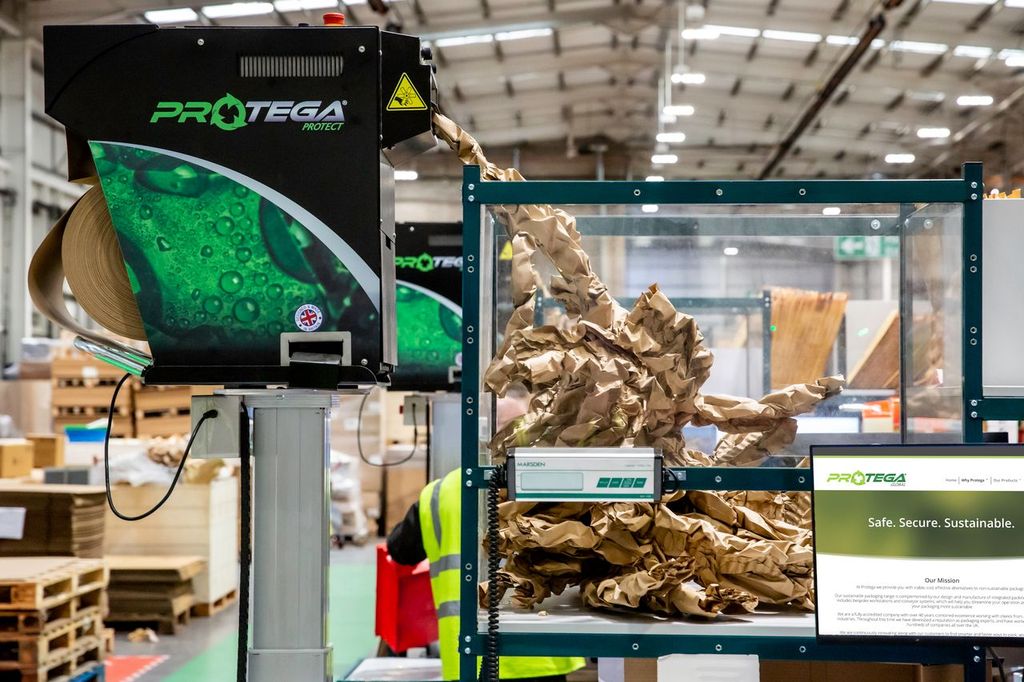
Protective void fill is essential for warehouses absorbing impact, and eliminating in-transit damage. However, when operators are manually responsible for product protection, they naturally err on the side of caution, leading to significant material over-use.
Void fill dispenser machines can be programmed to deliver the exact length required on each pull. This ensures that every single box is using precisely the right amount of material to achieve maximum protection.
Machine Pallet Wrappers
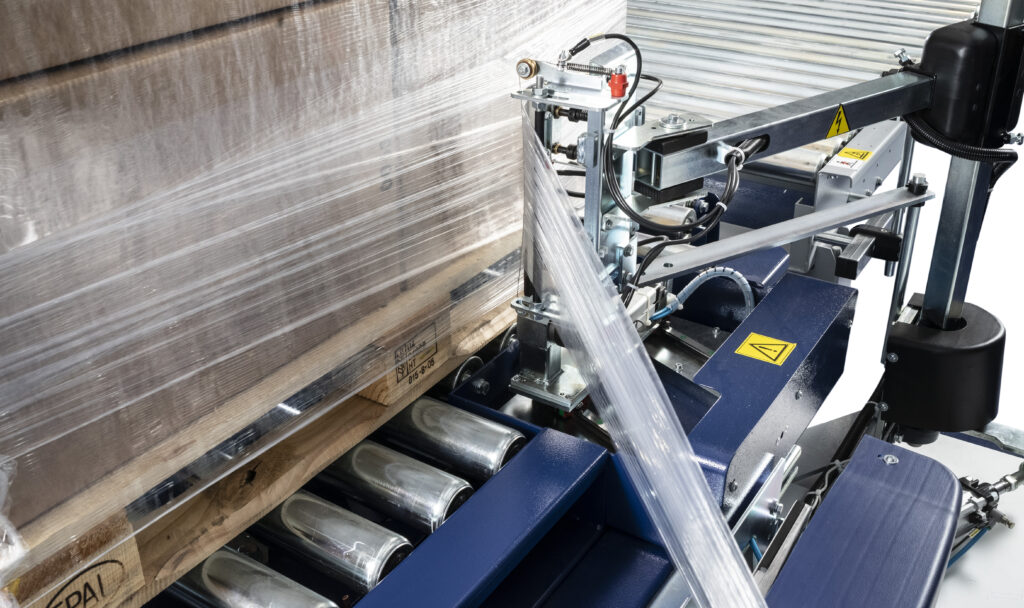
Pallet wrapping and consistency go hand in hand, but when wrapping manually, many operatives adopt their own individual techniques. Fatigue also quickly degrades application quality as a shift progresses, especially when trying to stretch the film tight enough around the pallet.
Integrating machine pallet wrappers into your warehouse floor eliminates this entirely. Machine pallet wrappers don’t just allow warehouses to control the exact amount of plastic used per pallet, they ensure consistent tension settings, pre-stretch percentages, and wrapping patterns.
By standardising the wrapping process mechanically, you can be confident that every pallet leaving the warehouse is stable, compliant, and uniform.
Auto Hex-a-fil Dispensers
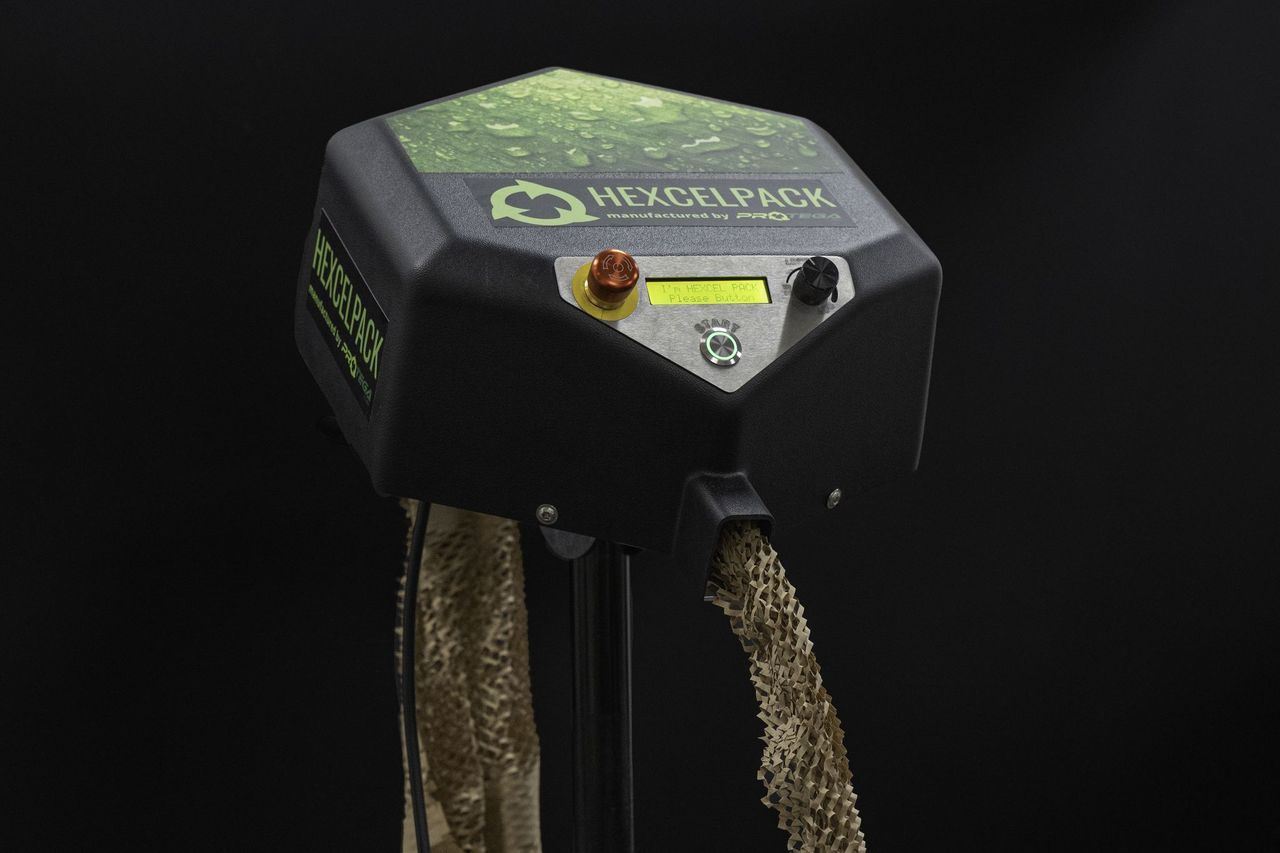
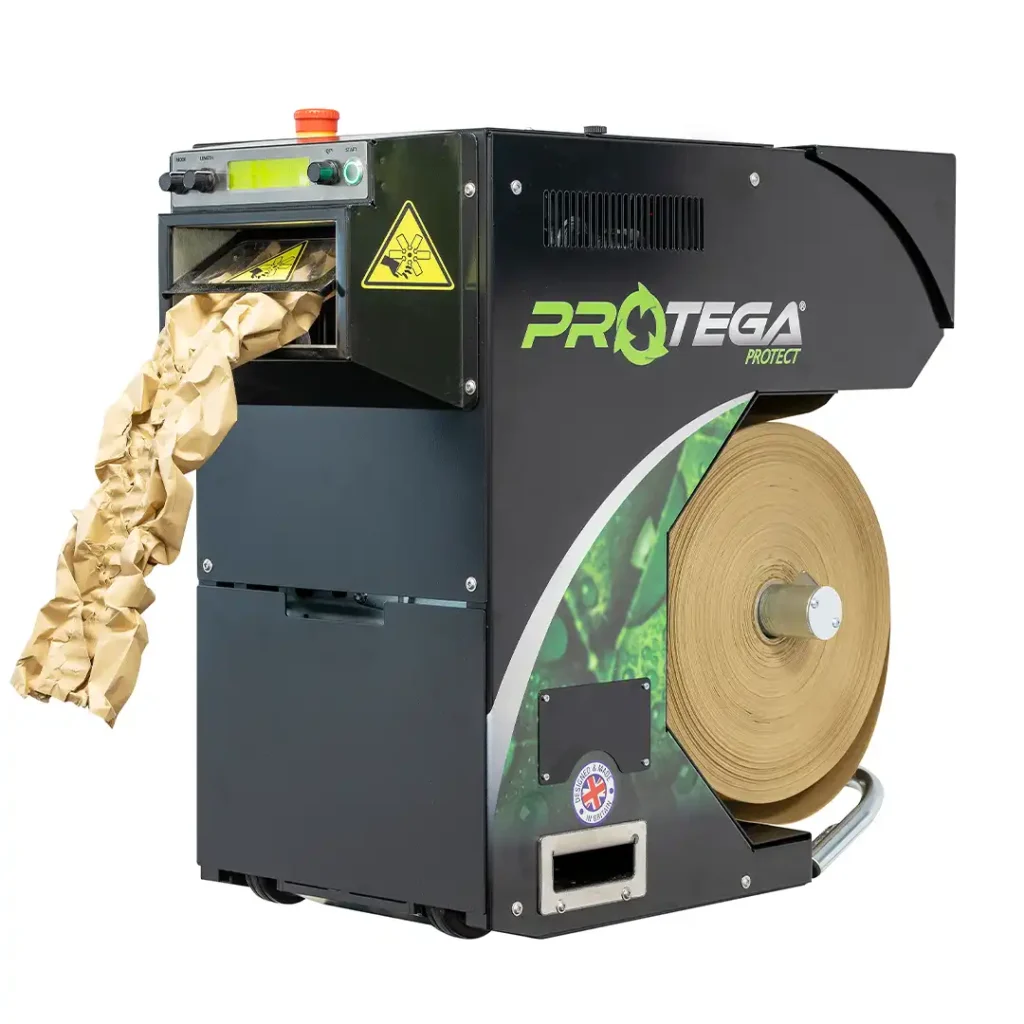
For high-demand, fast-paced packing operations, the Auto Hex-a-fil by Protega is a compact, fully automatic machine dispenser designed to streamline workflows with minimal manual effort.
The automatic dispenser function simplifies operations by eliminating manual pulling, which reduces worker strain. The compact, versatile design adapts easily to your warehouse needs, dispensing either into a hopper or directly to users to save valuable space.
To deliver this level of operational precision, Castle partners with industry leaders like Protega, whose advanced dispenser equipment sets the gold standard for reliable, high-volume fulfilment lines.
DRIVING SUSTAINABILITY, SAFETY & REDUCING PACKAGING WASTE

Although sustainability is often adopted as a buzzword, true environmental responsibility is a technical metric that can be actively measured through material optimisation. True packaging efficiency means using the optimal amount of packaging material required to secure the load. No more, no less.
By utilising engineered packaging machinery, operations can actually scale down their material consumption, allowing them to meet environmental targets while lowering overheads.
| Packaging Metric | Manual Application | Automated Machinery |
|---|---|---|
| Material Control | Variable (Operator dependent) | Precise (Programmed setting) |
| Film Stretch / Yield | Sub-optimal (Human physical limits) | Maximised (Power pre-stretch up to 300%+) |
| Consumable Scrap Rate | High (Cut-offs, errors, over-use) | Near Zero |
| Consistency | Low (Fluctuates across shifts) | 100% Identical Output |
Preventing Transit Damage & Safety
True warehouse safety operates on a dual axis: safeguarding the structural integrity of your shipments and protecting the physical well-being of your operatives on the fulfilment floor. To truly elevate warehouse efficiency, your engineered and automated processes must address both.
BOOST YOUR THROUGHPUT AND PACKAGING LINE EFFICIENCY
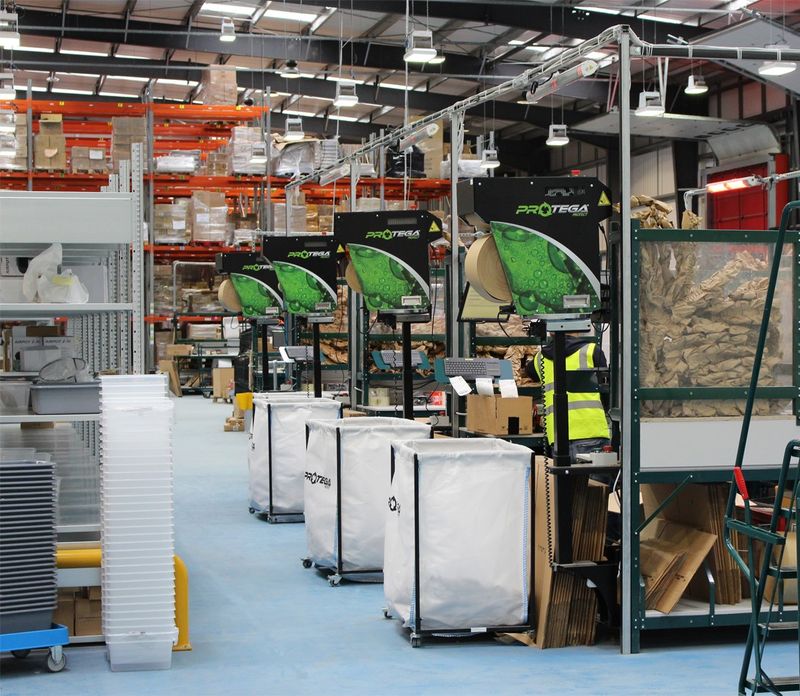
In summary, transitioning to automated machinery delivers clear operational and financial advantages across the entire fulfilment floor:
Eliminating Bottlenecks: Machinery eliminates the post-3 PM fatigue slump, maintaining identical speed and output from the start of the shift to the absolute end.
Total Standardisation: Every pallet and consignment box departs the facility looking structurally uniform, pristine, and entirely professional to end customers.
Labour Optimisation: Redeploy your team away from repetitive, low-value wrapping tasks and onto critical fulfilment, auditing, and picking roles.
Future-proof your dispatch with packaging machinery at Castle Industrial.
True warehouse efficiency requires moving past guesswork and adopting precision engineering.
If you want guarantee transit damage prevention, gain strict control over your material costs, and significantly reduce your packaging waste, our packaging specialists are ready to design your optimal setup.
Explore the complete range of advanced Castle Packaging Machinery Solutions today, or contact our technical team to discuss tailored solutions for your warehouse.
0%

PACKAGING MACHINERY
OVERVIEW
Void fill dispensers are essential tools for efficiently dispensing packing materials used to fill empty spaces within packages, ensuring that items remain secure and protected during transit. Whether you’re using paper, air pillows, foam, or other materials, these dispensers help streamline the packing process by allowing you to quickly and consistently fill voids.
Ideal for high-volume packing environments such as e-commerce, distribution centres, and warehouses, void fill dispensers help improve packaging efficiency, reduce material waste, and ensure the safety of products during shipping. With various models available, void fill dispensers offer flexibility to suit your business’s specific packaging needs.

Written by Ben Thompson
FEATURES & BENEFITS
- Reduces material waste
- Improves product protection
- Space-saving and organised
- User-friendly and easy to operate
- Versatile for different packaging materials
- Increases Packing Speed and Efficiency